



What changes when we begin to see the image of God—and the gifts of God—in every person? Sue Bessette’s story is one of transformation. She openly shares that there was a time when she avoided people with disabilities. But God began changing her heart, eventually leading her into more than two decades of disability ministry and a habit of seeking out people with disabilities wherever she went. That’s how Sue met the young woman who invited her to Miracles of God, a Fresh Expression of church where people with special needs, families, caregivers, and friends participate, contribute, worship, and belong together. In this conversation, Sue shares what God has taught her—and continues to teach her—about belonging, giftedness, and recognizing His image in everyone. Listen to Sue’s story and discover what the community of Miracles of God has taught her. Sue Bessette was born in Manhattan and raised in Northern New Jersey. A mother of three daughters, grandmother of four granddaughters, and great-grandmother, Sue’s journey of faith began later in life. After 17 years of her daughters praying for her, Sue came to faith in Christ at age 59. For more than two decades, Sue served with Joni & Friends Disability Ministry , both locally and through national and international ministry, developing a deep passion for people with disabilities and their families. At age 79, an invitation to Miracles of God Church opened the door to a new chapter in her journey—one that would bring together her love for people, her experience in disability ministry, and a growing relationship with God. This season, we’re diving into the streams of Fresh Expressions — from senior adults and recovery ministry, to arts, outdoors, recreation, and more. Each month, you’ll hear directly from practitioners who are navigating these fresh ways of being church in the world. Their stories will spark your imagination and encourage you to see where God is already at work in your community and how you might join in! So whether you’re a pastor, lay leader, or simply curious about how church can thrive beyond the walls, join us for Season seven of the Fresh Expressions Podcast. Related Resources:

What is giving rural church leaders hope right now? In this episode of the Rural Renewal Podcast, Chris and Kathleen sit down with Andy Barnes for a conversation about what he is seeing and hearing across rural churches and communities. Together, they explore the stories we sometimes miss when challenges become the dominant narrative and the creative, faithful ways rural churches are loving their neighbors, serving their communities, and joining in with what God is already doing. Andy also offers encouragement for pastors who are tired or wondering whether their faithful presence is really making a difference, and shares what gives him hope as he looks toward the future of the rural church. This conversation offers a glimpse into the heart behind Here for Good : paying attention to what God is already doing right where we are and discovering how we might join in. Andy Barnes is a former basketball coach having coached at the high school and college levels. After coaching he pastored for over 25 years and is now a regional field strategist for the BGAV in SW VA. He has been married to his wife Marsha for 42 years. They have 4 grown children and 6 grands. Chris and Kathleen Blackey , are hosts of the Rural Renewal Podcast. Since 2010, together they have served as co-pastors at the First Baptist Church of South Londonderry, Vermont. The Blackeys live in South Londonderry, Vermont with their children – Sarah, Daniel, and Priscilla, as well as their cat, dog, and chickens. Related Resources: Are you a Rural Leader? Join us October 8th & 9th, 2026 for Here for Good in Bristol, VA. Join our Facebook group: Rural Renewal Podcast Community Email us: podcasts@freshexpressions.com Subscribe & Review Help us get the word out by subscribing and leaving a review for Rural Renewal Podcast on your favorite platform. Apple Podcasts Spotify Google Podcasts

A few years ago, we sat down with Jeremy Veninga to hear a story that was already surprising. Jeremy had entered the Dinner Church School of Leadership unsure whether he was capable of starting something like a Dinner Church. He didn’t come from a traditional pastoral or theological background. But he knew enough to know he wanted to learn—and, as he put it at the time, he needed to “go head first.” By the time we recorded our conversation with him, that step of faith had grown into three Dinner Churches reaching more than 200 people each week. Recently, we wondered: What happened next? So we went back to Jeremy. Four Years, Four Dinner Churches Today, Jeremy and his team have four Dinner Church locations. Their first is approaching its fourth anniversary, while their newest location is already celebrating its first year. Together, they are now sharing a meal with nearly 300 people every week. But perhaps the most telling part of Jeremy’s update isn’t the number of locations or even the number of people around the tables. “Our teams are going strong and are still feeling excited and energized about the mission,” he shared. Four years in, some things have also gotten easier. In the beginning, Jeremy remembers how much attention went toward simply figuring out how to make Dinner Church happen. There were logistics to learn, rhythms to establish, and plenty of details that seemed important. Now, those rhythms come much more naturally. “We are able to focus on the people more than the process,” Jeremy said. “At first I think the logistics felt so front and center because we were learning.” Time has also given the team some perspective. “People don't notice the things that you notice,” Jeremy reflected, “and the things we thought were big in the beginning we don't even notice anymore.” With less energy going toward getting every detail right, there is more room to notice what has always mattered most: the people around the tables. Watching Discipleship Happen Over Time In our original conversation, Jeremy offered a simple picture of discipleship at Dinner Church: being present, participating, and pondering. Years later, he has had the opportunity to watch people move through those layers. One of them is Zach. Jeremy watched as Zach moved from experiencing homelessness to having a place of his own. But he also watched something else unfold. Zach didn’t simply attend Dinner Church. He began to make himself part of it. He lent a hand. He leaned into the Jesus story. He shared with others. His story gave Jeremy and the team a chance to see what can happen when someone has a table to keep returning to—and a community in which faith has room to grow over time. From Leading Everything to Raising Up Leaders Jeremy’s own role has changed, too. In the original podcast, he described a transition from being the “key decision maker” to becoming the “chief noticer, encourager, equipper, and supporter.” That transition has continued. Jeremy and Cindy now serve in more of an oversight role, while key leaders at each Dinner Church carry the ministry in their individual locations. “We have seen our people really step up and step into their individual calling,” Jeremy said. “It has been very awesome to see.” Jeremy and Cindy still spend time at each location, supporting leaders and their teams. But raising up others has freed them to begin asking where they might be called next—what Jeremy describes as their next “Macedonian call.” And underneath that multiplication is something Jeremy was given before the first Dinner Church ever began: permission. His pastor and host church were willing to encourage the idea, pray for it, resource it, and give Jeremy room to try. That support hasn’t disappeared as Dinner Church has grown. “We are blessed with a pastor that still fully supports not only the current state but the future of what we are doing,” Jeremy said. Their church is believing for 1,000 people being reached inside the church—and another 1,000 outside it. Jeremy’s encouragement to other pastors who see someone in their congregation carrying a similar vision is simple: start with encouragement and prayer. Then, if possible, back that encouragement with financial support. “This has been so much easier knowing we didn't have to focus on funds and could focus on the vision and, more importantly, the people we are reaching.” Returning to What He Learned When Jeremy first entered the Dinner Church School of Leadership , he wasn’t sure he was capable of doing any of this. Four Dinner Churches later, he is still returning to what he learned there. In fact, the day before answering our questions for this story, Jeremy had been listening to recordings from his DCSL sessions. “It is still a rich resource that helps me to this day,” he said. Some of those lessons have taken on deeper meaning with time and experience: prayer walking, sitting at the tables with people, understanding the different phases a Dinner Church moves through, and continuing to make room for new people. Jeremy calls it keeping “the pipeline open.” And there is another lesson he continues to carry with him: “Remembering we are in the rescue business is something that continues to be at the forefront of what we do.” For Jeremy, coming into DCSL without a traditional ministry background wasn’t something he needed to overcome. In some ways, he sees it as an advantage. His encouragement to someone who might wonder whether they have enough theological education, ministry experience, or credentials to begin is rooted in what he has now experienced firsthand: “You don't have to have those accolades to turn strangers into friends, friends into family and family into Christ followers. Just do it!” Still Looking Toward the Next Table Four Dinner Churches haven't left Jeremy and his team looking for a place to settle. They're asking how to prepare for what comes next. That means identifying and developing more of the right people. It means reaching into the neighborhoods surrounding their newest Dinner Church and inviting more people into community. And it means gathering their teams more frequently to pray for and encourage one another. The structures may be more familiar now. The rhythms may come more naturally. But the posture is remarkably similar to where Jeremy began: listening, learning, and remaining open to where God might lead next. We asked Jeremy to finish one sentence: “A few years ago, I never would have imagined…” His answer seems a fitting place to leave this chapter of the story: “We would be celebrating four years and four Dinner Churches while still feeling so energized for the mission ahead. Also the friendships we have formed in the surrounding communities that have become family.” Four years. Four Dinner Churches. Nearly 300 people gathering around tables each week. And still wondering where the next table might be set.

What happens when conversations about faith move into the places where people already gather? Emma Palmer and Dra Lubarsky-Tant share how they are cultivating community in cafés and pubs, creating space for young adults, those navigating church hurt, and others looking for connection. Hear how these everyday third places can break down barriers and open the door to honest conversations, meaningful relationships, and faith. Emma Palmer is a lifelong United Methodist who grew up in Vestavia Hills, Alabama. She graduated from Birmingham-Southern College with degrees in Religion and Business Administration—Finance, along with a distinction in Poverty Studies. Emma currently serves as Director of Community Connection at Sandy Springs United Methodist Church, where she helps lead ministry during a season of significant redevelopment. She facilitates Brew Theology, a young adult fresh expression, and helps oversee Faithful Conversations, a discussion-based group for adults 40+. Emma is passionate about creating spaces for people who may not feel comfortable in traditional church settings to connect, explore faith, and find community. Dra Lubarsky-Tant is the Director of Outreach and Diversity at Renovus, is the Originator of Wing & a Prayer, hosts multiple small group spaces, and is passionate about Fresh Expression ministries. As a longtime United Methodist with a professional background in Human Resources Management and Training, Dra believes everyone has a unique perspective to offer—and that building a personal relationship with Jesus and with our communities extends far beyond the walls of any church building. Dra is passionate about connectionalism, diversity, and the kind of delightfully awkward and honest conversations that help us discover what we have in common, learn from our differences, and grow together. This season, we’re diving into the streams of Fresh Expressions — from senior adults and recovery ministry, to arts, outdoors, recreation, and more. Each month, you’ll hear directly from practitioners who are navigating these fresh ways of being church in the world. Their stories will spark your imagination and encourage you to see where God is already at work in your community and how you might join in! So whether you’re a pastor, lay leader, or simply curious about how church can thrive beyond the walls, join us for Season seven of the Fresh Expressions Podcast. Related Resources:

For many rural churches, the building is one of the most significant resources they have and sometimes one of their greatest challenges. But what might change if we began to see our facilities not simply as something to maintain, but as something entrusted to us for the sake of our communities? In this episode of the Rural Renewal Podcast, Kathleen and Chris sit down with Josh Lilly, Senior Pastor of Crossroads Community Church in Michigan, for a conversation about faithful stewardship, creative ministry, and looking at the resources we already have with fresh eyes. Josh shares how Crossroads is finding creative ways to use its facilities to serve its community, build relationships, and create opportunities for ministry. Along the way, he talks candidly about the challenges and surprises that come with opening a church building to new possibilities, how leaders can discern which partnerships fit the church’s mission, and why meaningful community impact doesn’t require a large or impressive facility . Dr. Josh Lilly serves as Senior Pastor of Crossroads Community Church in Michigan, where he is committed to expository preaching, biblical discipleship, and developing leaders for the local church. He holds a Doctor of Ministry from Southeastern Baptist Theological Seminary, where his doctoral work focused on equipping laymen for biblical eldership. Josh is passionate about seeing churches shaped by the gospel, strengthened through healthy leadership, and equipped to make disciples who make disciples. Chris and Kathleen Blackey , are hosts of the Rural Renewal Podcast. Since 2010, together they have served as co-pastors at the First Baptist Church of South Londonderry, Vermont. The Blackeys live in South Londonderry, Vermont with their children – Sarah, Daniel, and Priscilla, as well as their cat, dog, and chickens. Related Resources: Upcoming Webinar: Faithful Stewardship: Creative Ways to Use Your Church Building for Ministry and Mission Join our Facebook group: Rural Renewal Podcast Community Email us: podcasts@freshexpressions.com Subscribe & Review Help us get the word out by subscribing and leaving a review for Rural Renewal Podcast on your favorite platform. Apple Podcasts Spotify Google Podcasts

How can art and creativity become a place of belonging, discipleship, and peace? In this episode of the Fresh Expressions Podcast, Heather Jallad talks with Winfield Bevins about the "new renaissance" emerging at the intersection of faith and art. Together they explore how creativity can foster community, cultivate spiritual growth, and inspire fresh expressions of church in today's world. Dr. Winfield Bevins is an internationally recognized author, pastor, teacher, and visual artist who has spent more than two decades exploring the intersection of art, faith, and the church. He is the founding director of Creo Arts and serves as Artist-in-Residence at Asbury Theological Seminary, championing the integration of creativity and faith. As a visual artist, Winfield describes his work as “modern iconography,” reimagining ancient sacred imagery through contemporary color and form to create space for contemplation, prayer, and wonder. He is also the author of numerous books, including How Beauty Will Save the World, Liturgical Mission, Ever Ancient, Ever New, and Marks of a Movement. His artwork has been exhibited in galleries and churches nationwide and is held in private collections across the United States. This season, we’re diving into the streams of Fresh Expressions — from senior adults and recovery ministry, to arts, outdoors, recreation, and more. Each month, you’ll hear directly from practitioners who are navigating these fresh ways of being church in the world. Their stories will spark your imagination and encourage you to see where God is already at work in your community and how you might join in! So whether you’re a pastor, lay leader, or simply curious about how church can thrive beyond the walls, join us for Season seven of the Fresh Expressions Podcast. Related Resources:

If you are a church leader like me, serving in church circles where we are feeling the weight of a burgeoning population combined with the innumerable closing of struggling churches, you’ve heard a lot about church planting in the last 10 years. We know that North America, as a whole, needs more churches and especially more healthy churches. There is often a barrier that stands in our way that is a difficult one to navigate. Church planting in the traditional sense is VERY expensive. Often, there is some type of real estate involved with either the purchase of a building or at least a lease. There are salaries to be raised, equipment to be purchased, publications to develop, and promotional strategies to be thought out, all while trying to gain the attention of a distracted world. It can feel daunting. Often, we also have one method of accomplishing the mission when the subject of church planting comes to mind: plant the same kind of church that we’ve been planting. A place where people gather in rows to sing together and hear a message about the Bible. This has left many denominations and networks in a quagmire of finding the right people, the right places, and securing the funding needed to accomplish this huge mission of sharing Jesus with every community under our care. The Mission Is Unchanged. What About the Method? What if there was another way forward? What if church planting could become something more of the churches in your network could participate in? What if a small congregation could look at a neighborhood where people are disconnected from church and say, “We could do something here”? Dinner Church offers one possible way forward. The concept is remarkably simple: cook a meal, set the table, gather people together, and share the story of Jesus in the context of relationship and community. Instead of waiting for people to walk through the doors of a traditional church, Dinner Church creates an opportunity to bring the church into the communities where people already live. That simplicity makes Dinner Church an accessible and affordable approach to church planting. Many churches under your care, even if they are small, can determine to cook a meal and set a table in their neighborhood. But accessible does not mean untrained. If we want these new expressions of church to become healthy, sustainable, and reproducible, we need leaders who understand not only how to set a table, but how to lead the mission that happens around it. Leaders need a biblical and theological foundation for Dinner Church, practical tools for building teams and engaging their communities, and the ability to help what begins around one table grow and multiply. That is why the Dinner Church School of Leadership matters. The School of Leadership goes beyond introducing leaders to the idea of Dinner Church. It equips leaders to understand the theology and practice behind the table while developing the practical, reproducible tools needed to establish and multiply Dinner Churches in their own contexts. Listen to what Tom Rees, Church Planting Director from the PennDel Network of the Assemblies of God, has to say about Dinner Church planting and leadership development in their network: “Dinner Church has become one of the most effective tools we've found for planting the Gospel in communities where the people may never walk through the doors of a traditional church. It strips away unnecessary barriers and creates a place where real conversations happen over a shared meal. Just as important, the Dinner Church School of Leadership has equipped our key Dinner Church Quarterbacks, giving them the practical, reproducible tools to help launch new Dinner Churches. In a region like ours, where ministry requires creativity, perseverance, and a little grit, Dinner Church is helping us start new ministry expressions, develop new leaders, and reach people who have been overlooked for far too long. Dinner Church is helping us extend the gospel reach, one table at a time.” Equipping Leaders to Set the Table Many networks and denominations are beginning to embrace this effective, affordable approach to church planting. But imagine what could happen if we did more than simply encourage churches to try Dinner Church. What if we intentionally equipped leaders who could carry this vision into communities across an entire region or network? What energy and vision could be built if church planting became something that every church believed it could participate in? What if a small church didn’t have to become a large church before it could plant something new? What if leaders who may never have imagined themselves as church planters discovered that God had already given them what they needed to gather people around a table? Imagine the impact. Here’s my challenge to you: would you consider identifying a few key leaders who are ready to embrace church planting in a whole new way and investing in them through the Dinner Church School of Leadership? Perhaps Jesus is preparing you and those you lead to embrace the neighborhood again. Perhaps there are communities waiting for followers of Jesus who are brave enough to set the table again. Perhaps there are leaders already within your churches who simply need someone to recognize their potential and equip them for what God might do next. Perhaps gaining traction in an increasingly secular landscape can begin with something as simple—and as deep—as bringing back the power of the Jesus table in your community. Ready to equip leaders for the table? Learn more about the Dinner Church School of Leadership . Looking for a different next step? Explore Dinner Church Encounter, Launch, and Lead trainings to find the right starting point for you or your team.
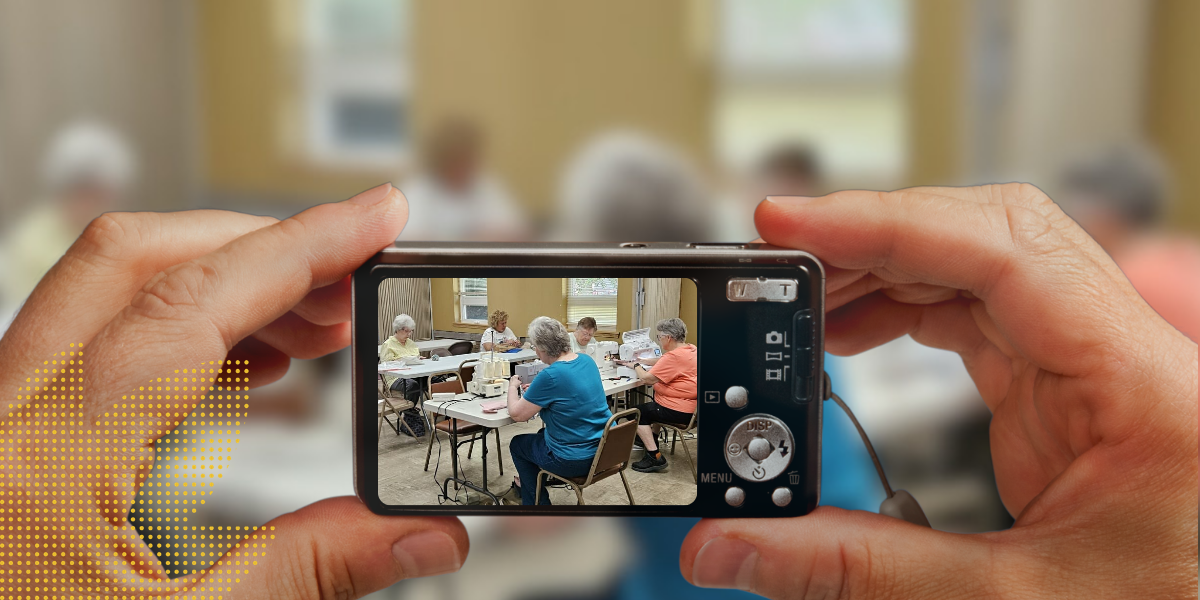
At New Carlisle United Methodist Church, sewing has become more than a hobby—it has become a way to build community, serve neighbors, and share God’s love. Through Tangled Threads, people of different ages and backgrounds gather around a shared love of creating, discovering connection and purpose one stitch at a time. Here’s a quick look at what it is, how it works, and why it matters. What It Is Tangled Threads is a sewing-centered Fresh Expression that grew out of New Carlisle United Methodist Church. The idea actually began on the ride home from a Fresh Expressions and Messy Church training, when a few laypeople in the backseat started imagining what they could do with something they already loved. The result was a new community built around sewing, serving others, and growing in faith together. How It Works On the second and fourth Wednesdays of each month, around ten people gather from 9 a.m. to 2 p.m. to sew and create items for people in need. Their projects have included wheelchair bags for a nearby retirement community, soap bags for the food pantry, baby layette kits, and other donated items. At noon, the sewing pauses for devotions and a time of sharing, making spiritual conversation a natural part of the community’s rhythm. Participants include people from both inside and outside the congregation—and range from an 86-year-old woman who learned to tie quilts to a 14-year-old who came wanting to learn to crochet. Why It Matters Tangled Threads shows that a Fresh Expression doesn’t have to begin with a complicated program or a large team. Sometimes it begins by noticing what people already love to do—and asking how that passion might become a place for relationship, purpose, service, and faith. More than 180 handmade items had already been donated when the story was published, but perhaps the more important impact is happening around the sewing tables themselves: generations learning from one another, people finding purpose, relationships forming, and faith being woven naturally into life together. This snapshot was developed through thoughtful research using publicly available sources, including websites, news articles, community updates and a brief conversation with the pioneer.

When I was right out of college, I packed three suitcases and moved from Texas to Washington, D.C. My parents were understandably concerned. They worried that I would be alone and have trouble finding my own way. I had made a few connections, and within a couple of weeks of arriving I was invited to rent a room in the home of a family. There's a particular transience to the D.C. area. Nearly everyone is from somewhere else, and this family was no exception. They remembered what it was like to be new, and they were particularly good at helping outsiders become insiders. When I moved in, I was given a chore. My simple task was unloading the dishwasher. It may seem odd, but it made me feel like part of the family. Before too long, their friends became my friends, and my friends became their friends. Our life together painted a different picture than the one we so often see in the midst of American suburban life. Like most families, they were busy people. Their schedule was already full. The thing is, this family didn't try to fit me into their schedule. They invited me into their life. In reality, their decision to open their home and their lives to me—and to others—made their schedule richer, not harder. During the years I lived there, they didn't throw a Christmas party. They threw a Christmas decorating party. They made the chili. The guests put the lights on the tree. For anyone who was far from home, the experience offered a blessed taste of home. Their hospitality welcomed us into a new kind of family. A Promise for Outsiders The prophet Isaiah tells us about a new kind of family—a family that welcomes the outsider into a promised land filled with hope. The nations will see your righteousness, and all kings your glory; you will be called by a new name that the mouth of the Lord will bestow. ... No longer will they call you Deserted, or name your land Desolate. But you will be called Hephzibah, and your land Beulah... (Isaiah 62:2–4) Isaiah is often called the "fifth gospel" because his words point so clearly to the coming of Christ. His prophecy was written across seasons of Israel's history—from strength, to exile, to restoration. Again and again, Isaiah reminds God's people that despite hardship, they will not be forsaken. The land will not remain desolate forever. God will give His people a new name, a new identity, and a renewed future. The promise of Israel, Isaiah says, is available to all. Those themes are instructive for us as we think about the life of the church. Like Israel, we have a collective memory. Many of us remember a time when it seemed like everyone we knew went to church. Now that time has passed, and it can feel as though we're living in exile. But exile changes us. It makes us stronger. We may dream of returning to the place where we once were, but that place never looks the same. The house we grew up in always feels smaller than it did when we were kids. We can't expect the church to look the same either. Like the prophet Isaiah, we remember that no matter the hardship, the people who are ushered into God's promise are given a new name and a new family. The promise of Israel is a blazing torch for all to see. When I say Israel, I don't mean simply the nation. I mean the promise: the promise of salvation, the promise that God delights in His people, and the promise that no matter how rejected or forgotten we may feel, God desires to give us a new name. The question for us is this: How is that promise made visible through our lives? From Outsiders to Family One of the most beautiful pictures of that promise is found in the story of Epiphany—the manifestation of Christ to people outside of Israel. The Magi follow the star to the home where Mary, Joseph, and Jesus are staying. Long before many recognized who Jesus was, outsiders were welcomed into His presence. I love celebrating Epiphany because, the truth is, we wouldn't be here without it. Which brings us back to family. The Magi are outsiders who are invited inside. They bring gifts to Jesus. Their story is a tangible reminder that the whole world has been invited into the celebration of God's covenant with His people. Think about it. Israel was once a closed family. There were rules about associating with outsiders. Through Jesus, that family was opened to the whole world. The promise that Abraham's descendants would be as numerous as the stars in the sky was beautifully echoed in the star that led the wise men to Jesus. Thankfully, Jesus' family didn't have the television up too loud when the wise men came to the door. Thankfully, they didn't wait until all the laundry was folded before welcoming them inside. There was something special about this family. They revealed something of God to the world, and the world couldn't help but notice. The same should be true of our families—and of the church as a family of families. If God's covenant with His people opened the door for outsiders to become family, how might God use our own families to invite others into His life? Three Ways to Help Outsiders Experience Family One of the gifts of the family who welcomed me into their home is that they showed me hospitality isn't complicated. It often begins with ordinary acts of openness. Celebrate holy days that tell the story of Jesus. Celebrate holidays in ways that invite neighbors into God's story. For Epiphany, invite friends to bring gifts for children in need. Let the children help the wise men journey to the manger scene. On the Feast of the Presentation, host a shower or blessing for a newborn in your neighborhood. Our celebrations can become opportunities for others to experience the welcome of God. Invite people into your life—not just your schedule. The family I lived with didn't try to squeeze me into an already busy calendar. They invited me into the life they were already living. Share errands with someone who's new in town. Invite neighbors over for a spontaneous Saturday breakfast—and don't clean the house beforehand. Hospitality isn't about creating perfect moments. It's about sharing everyday life. Pray with expectation. Before you leave for the grocery store, head out to dinner, or run errands, pray with your spouse, children, or housemates. Ask God to show you someone who needs encouragement or a blessing. People in our fresh expression have made this a regular practice, and they often come back with stories of God's work in the grocery aisle or around an ordinary meal. A New Name. A New Family. The promise of Israel is the promise of a new identity, a new family, and a new name. As we live into that promise ourselves, we also have the privilege of helping others discover that the Epiphany—the manifestation of God's power revealed in Jesus—is available to all. FROM THE ARCHIVES: Some ideas become more valuable with time. This article has been lightly updated to serve today's mission while preserving the author's original vision.
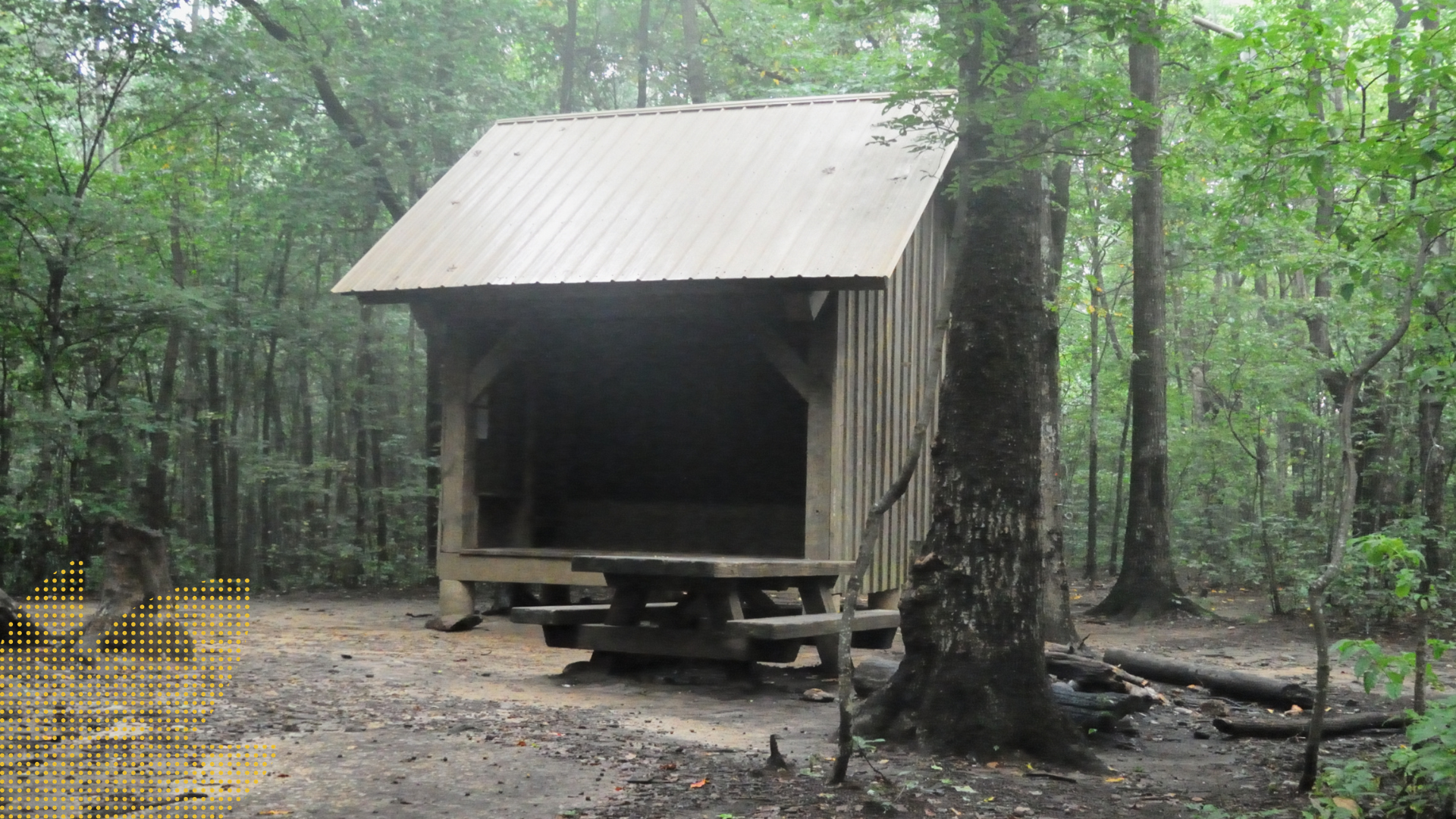
The brown leaves crunched beneath my boots as my friend and I hiked a section of the Appalachian Trail. Along the way, we passed two very different kinds of hikers. There were the weekend hikers—families with dogs and daypacks headed back to cozy cabins at day's end. And then there were the thru-hikers. These were people carrying everything they owned on their backs, committed to walking hundreds—sometimes thousands—of miles. They weren't taking a holiday from the trail. They lived for it. Their hearts were set on the journey. And thru-hikers don't stay in cabins. Instead, when they're not sleeping in tents or hammocks, they stay in simple trail shelters. These small, open-air structures provide protection from the wind and rain, but they're not designed for comfort. They're places where strangers become friends, stories are exchanged, meals are shared, and then everyone heads back onto the trail. That image has stayed with me ever since. Cabins are for people who want to take a holiday from the world. Shelters are for people who see the world as their mission. The same can be true of our church buildings. When Church Buildings Become Cabins One of the greatest resources an established church has is its building. For generations, church buildings have represented faithfulness, sacrifice, and the life of a congregation. They have been places of worship, celebration, comfort, and community. But as our culture has changed, many church buildings have quietly shifted in purpose. Instead of serving as launching places for mission, they've become places where the church retreats from the world around it. They protect us from the unfamiliar. They reflect the preferences of those who call them home. They disconnect from the neighborhood. They unintentionally communicate that church happens inside these walls rather than beyond them. In other words, many church buildings slowly become cabins. Cabin or Shelter? Having a church building isn't the problem. The question is what that building is preparing people to do. Does it primarily gather people who already belong, or does it equip and send disciples into the neighborhoods God loves? How do you know? Take this simple test: Do the majority of groups and ministries of your church meet in the building? (+1 for cabin if yes, +1 for shelter if no) Do any community groups utilize your building? If so, do you know the names of the groups’ leaders and something about them? (+1 each for cabin if no, +1 each for shelter if yes) Does your church kitchen cook food mainly for church members or community members? (+1 for cabin if church, +1 for shelter if community) If you started a new ministry that utilized your building in a way for people who are not connected to your church, would your congregation be mad? (+1 for cabin if yes, +1 for shelter if no) Do congregation members see themselves as owners or stewards of the building? (+1 for cabin if owners, +1 for shelter if stewards) Ask 3 people at the nearest grocery store if they have heard of your church. (+1 for cabin if 2-3 have not, +1 for shelter if 2-3 have) In outreach events, do congregation members focus more on talking to people who enter your church campus or selling things from your church campus? (+1 for cabin if selling things, +1 for shelter if talking to people) Does your church tell more stories (in worship Sunday School, etc) of local missions and missionaries or foreign missions and missionaries? (+1 for cabin if foreign, +1 for shelter if local) "Does your church building tend to serve more as a cabin—a place for members to congregate—or as a shelter—a place to deploy people into mission?" Turning Cabins into Shelters The good news is that cabins can become shelters. It doesn't happen overnight, but it does happen one faithful step at a time. Remove the Walls Not the physical ones—at least not yet. Begin by identifying the assumptions, fears, habits, or traditions that keep your congregation disconnected from the people around you. Disrupt Comfort Comfort isn't bad, but it can quietly become the enemy of mission. Ask what small changes might help your congregation become more attentive to the needs of the neighborhood than to maintaining the status quo. Tell Better Stories Share stories of everyday missionaries in your congregation—people building friendships, serving neighbors, and noticing where God is already at work. The stories we celebrate shape the church we become. Audit Your Building Walk through every room in your church with fresh eyes. What spaces are underused? Who from your community could gather there? Could you imagine homework clubs, recovery groups, artists, neighborhood associations, music lessons, or community meals filling those rooms throughout the week? Audit Your Community Meet with local leaders—a principal, nonprofit director, mayor, librarian, or business owner. Ask them one simple question: What are the greatest needs in our community right now? Listen carefully. God often reveals new mission opportunities through the voices of our neighbors. Prayer Walk Walk your property and your neighborhood with open eyes and open hearts. Pay attention to who is there, who isn't, and what the Holy Spirit may be inviting your church to notice. Visit The Chapel (the FX Prayer page) for a downloadable Prayer Walk Guide. Find Teammates Don't try to transform your church alone. Invite others to dream, pray, and experiment with you. Mission has always been a shared journey. Turn Existing Ministries Outward Rather than creating something entirely new, consider how an existing ministry could become more outward-facing. Could your annual dinner become a neighborhood meal? Could your building become a home base for people serving in the community rather than simply a destination? A Place to Be Sent In the time and place in society we find ourselves, church buildings can be a game-changer in re-orienting toward mission and the Kingdom of God. When a church building is a shelter where travelers can gather and then see their mission as back on the trail, it can amplify the evangelistic zeal and change the direction of an existing congregation. Cabin or shelter—which will be part of your church’s story? Cabin or shelter? Which story will your church tell? FROM THE ARCHIVES: Some ideas become more valuable with time. This article has been lightly updated to serve today's mission while preserving the author's original vision.