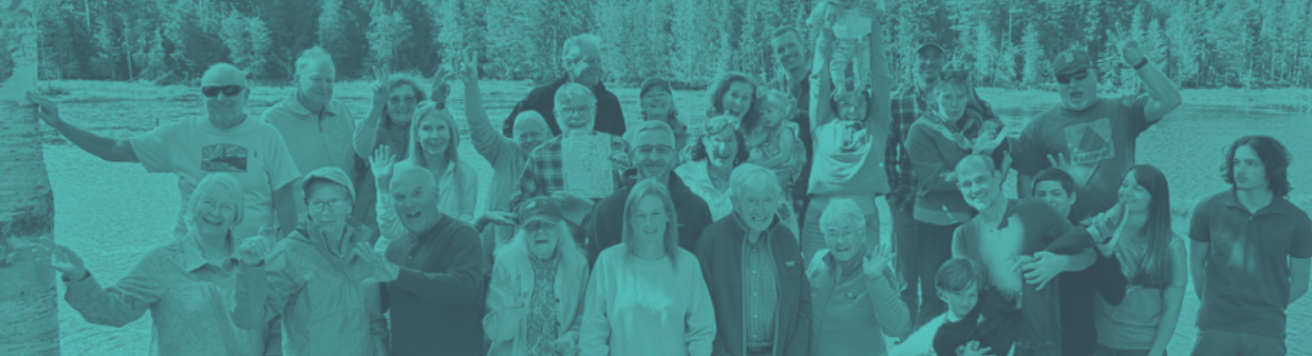



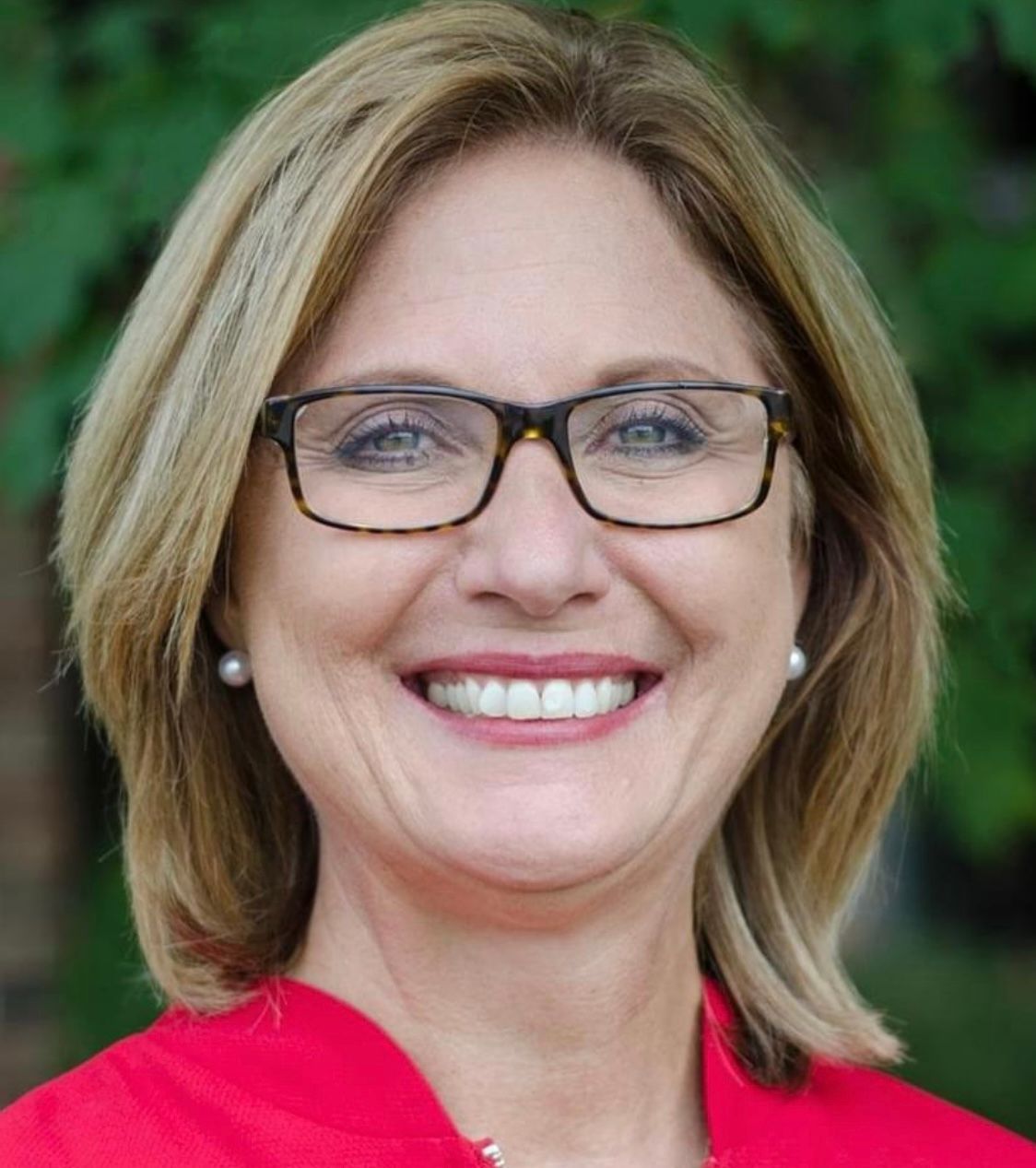
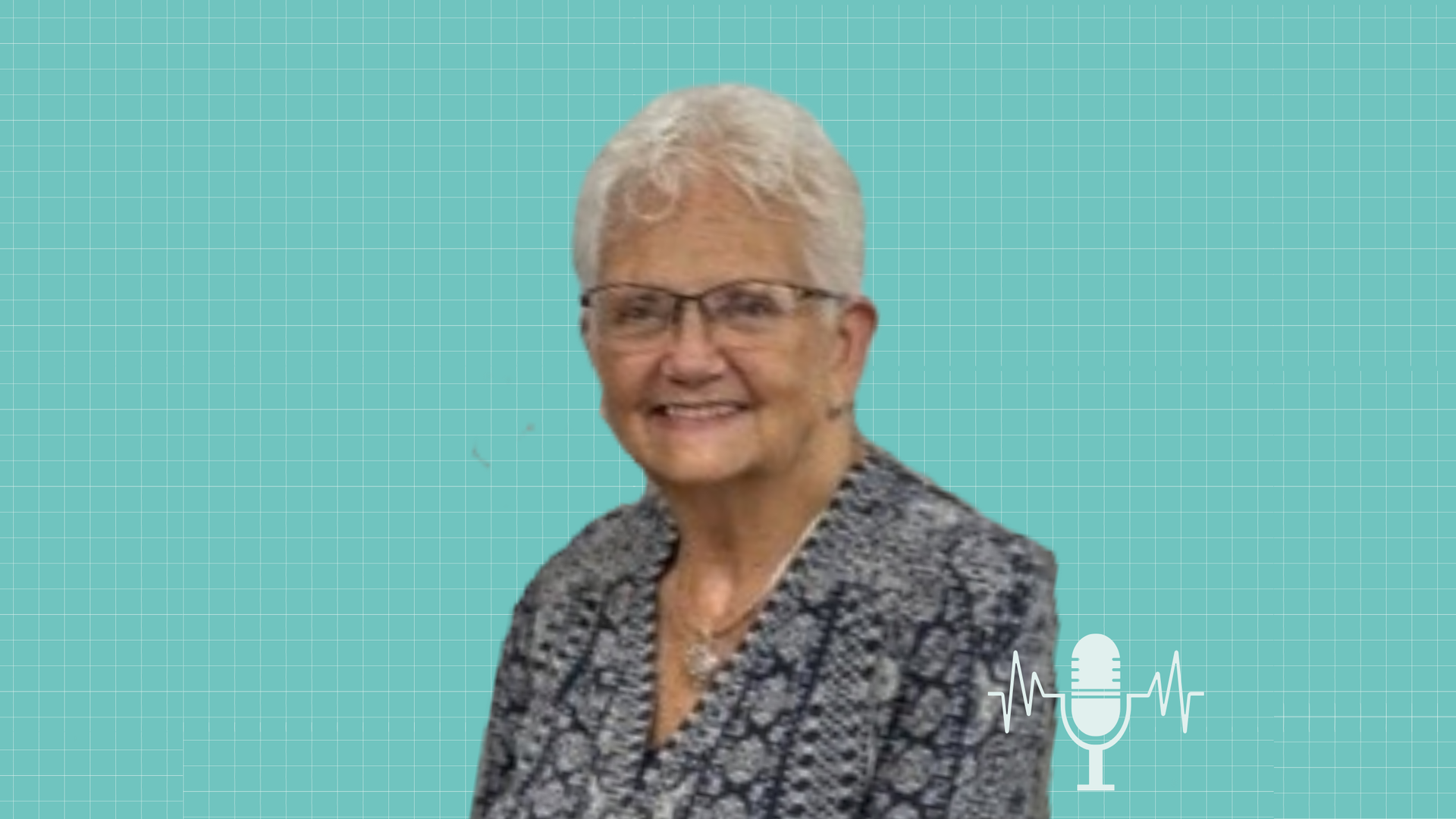
What changes when we begin to see the image of God—and the gifts of God—in every person? Sue Bessette’s story is one of transformation. She openly shares that there was a time when she avoided people with disabilities. But God began changing her heart, eventually leading her into more than two decades of disability ministry and a habit of seeking out people with disabilities wherever she went. That’s how Sue met the young woman who invited her to Miracles of God, a Fresh Expression of church where people with special needs, families, caregivers, and friends participate, contribute, worship, and belong together. In this conversation, Sue shares what God has taught her—and continues to teach her—about belonging, giftedness, and recognizing His image in everyone. Listen to Sue’s story and discover what the community of Miracles of God has taught her. Sue Bessette was born in Manhattan and raised in Northern New Jersey. A mother of three daughters, grandmother of four granddaughters, and great-grandmother, Sue’s journey of faith began later in life. After 17 years of her daughters praying for her, Sue came to faith in Christ at age 59. For more than two decades, Sue served with Joni & Friends Disability Ministry , both locally and through national and international ministry, developing a deep passion for people with disabilities and their families. At age 79, an invitation to Miracles of God Church opened the door to a new chapter in her journey—one that would bring together her love for people, her experience in disability ministry, and a growing relationship with God. This season, we’re diving into the streams of Fresh Expressions — from senior adults and recovery ministry, to arts, outdoors, recreation, and more. Each month, you’ll hear directly from practitioners who are navigating these fresh ways of being church in the world. Their stories will spark your imagination and encourage you to see where God is already at work in your community and how you might join in! So whether you’re a pastor, lay leader, or simply curious about how church can thrive beyond the walls, join us for Season seven of the Fresh Expressions Podcast. Related Resources:

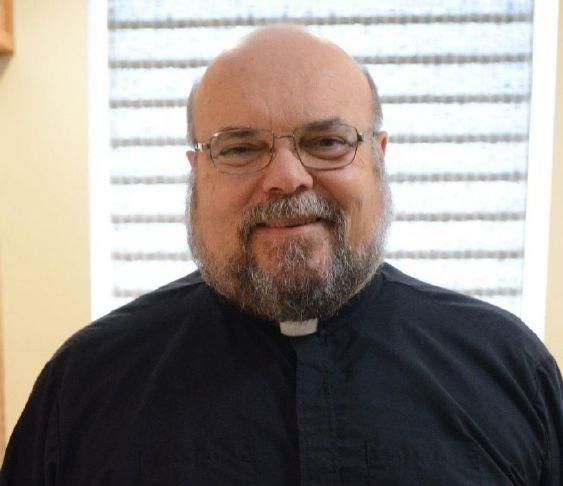
What is giving rural church leaders hope right now? In this episode of the Rural Renewal Podcast, Chris and Kathleen sit down with Andy Barnes for a conversation about what he is seeing and hearing across rural churches and communities. Together, they explore the stories we sometimes miss when challenges become the dominant narrative and the creative, faithful ways rural churches are loving their neighbors, serving their communities, and joining in with what God is already doing. Andy also offers encouragement for pastors who are tired or wondering whether their faithful presence is really making a difference, and shares what gives him hope as he looks toward the future of the rural church. This conversation offers a glimpse into the heart behind Here for Good : paying attention to what God is already doing right where we are and discovering how we might join in. Andy Barnes is a former basketball coach having coached at the high school and college levels. After coaching he pastored for over 25 years and is now a regional field strategist for the BGAV in SW VA. He has been married to his wife Marsha for 42 years. They have 4 grown children and 6 grands. Chris and Kathleen Blackey , are hosts of the Rural Renewal Podcast. Since 2010, together they have served as co-pastors at the First Baptist Church of South Londonderry, Vermont. The Blackeys live in South Londonderry, Vermont with their children – Sarah, Daniel, and Priscilla, as well as their cat, dog, and chickens. Related Resources: Are you a Rural Leader? Join us October 8th & 9th, 2026 for Here for Good in Bristol, VA. Join our Facebook group: Rural Renewal Podcast Community Email us: podcasts@freshexpressions.com Subscribe & Review Help us get the word out by subscribing and leaving a review for Rural Renewal Podcast on your favorite platform. Apple Podcasts Spotify Google Podcasts

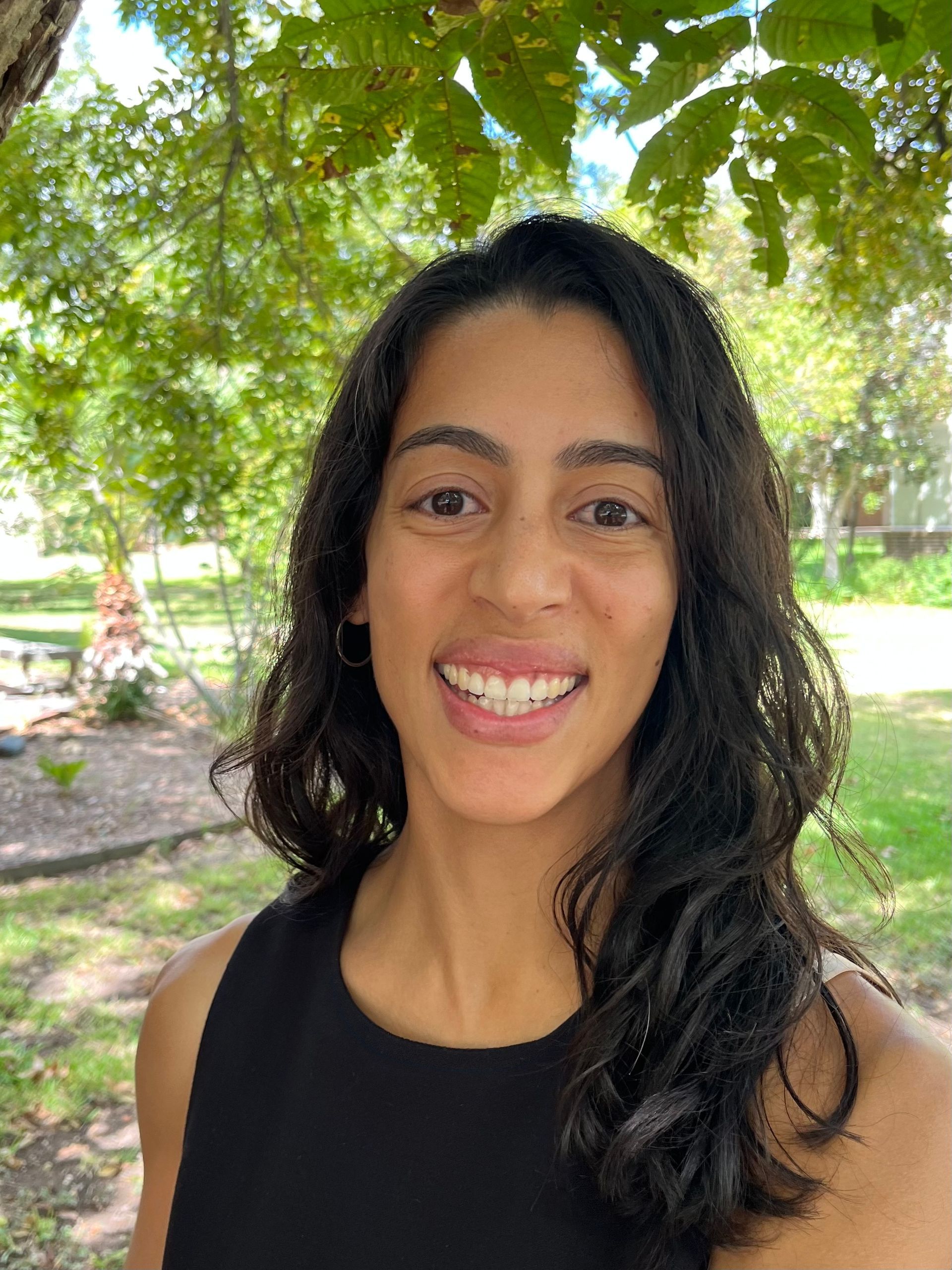
A few years ago, we sat down with Jeremy Veninga to hear a story that was already surprising. Jeremy had entered the Dinner Church School of Leadership unsure whether he was capable of starting something like a Dinner Church. He didn’t come from a traditional pastoral or theological background. But he knew enough to know he wanted to learn—and, as he put it at the time, he needed to “go head first.” By the time we recorded our conversation with him, that step of faith had grown into three Dinner Churches reaching more than 200 people each week. Recently, we wondered: What happened next? So we went back to Jeremy. Four Years, Four Dinner Churches Today, Jeremy and his team have four Dinner Church locations. Their first is approaching its fourth anniversary, while their newest location is already celebrating its first year. Together, they are now sharing a meal with nearly 300 people every week. But perhaps the most telling part of Jeremy’s update isn’t the number of locations or even the number of people around the tables. “Our teams are going strong and are still feeling excited and energized about the mission,” he shared. Four years in, some things have also gotten easier. In the beginning, Jeremy remembers how much attention went toward simply figuring out how to make Dinner Church happen. There were logistics to learn, rhythms to establish, and plenty of details that seemed important. Now, those rhythms come much more naturally. “We are able to focus on the people more than the process,” Jeremy said. “At first I think the logistics felt so front and center because we were learning.” Time has also given the team some perspective. “People don't notice the things that you notice,” Jeremy reflected, “and the things we thought were big in the beginning we don't even notice anymore.” With less energy going toward getting every detail right, there is more room to notice what has always mattered most: the people around the tables. Watching Discipleship Happen Over Time In our original conversation, Jeremy offered a simple picture of discipleship at Dinner Church: being present, participating, and pondering. Years later, he has had the opportunity to watch people move through those layers. One of them is Zach. Jeremy watched as Zach moved from experiencing homelessness to having a place of his own. But he also watched something else unfold. Zach didn’t simply attend Dinner Church. He began to make himself part of it. He lent a hand. He leaned into the Jesus story. He shared with others. His story gave Jeremy and the team a chance to see what can happen when someone has a table to keep returning to—and a community in which faith has room to grow over time. From Leading Everything to Raising Up Leaders Jeremy’s own role has changed, too. In the original podcast, he described a transition from being the “key decision maker” to becoming the “chief noticer, encourager, equipper, and supporter.” That transition has continued. Jeremy and Cindy now serve in more of an oversight role, while key leaders at each Dinner Church carry the ministry in their individual locations. “We have seen our people really step up and step into their individual calling,” Jeremy said. “It has been very awesome to see.” Jeremy and Cindy still spend time at each location, supporting leaders and their teams. But raising up others has freed them to begin asking where they might be called next—what Jeremy describes as their next “Macedonian call.” And underneath that multiplication is something Jeremy was given before the first Dinner Church ever began: permission. His pastor and host church were willing to encourage the idea, pray for it, resource it, and give Jeremy room to try. That support hasn’t disappeared as Dinner Church has grown. “We are blessed with a pastor that still fully supports not only the current state but the future of what we are doing,” Jeremy said. Their church is believing for 1,000 people being reached inside the church—and another 1,000 outside it. Jeremy’s encouragement to other pastors who see someone in their congregation carrying a similar vision is simple: start with encouragement and prayer. Then, if possible, back that encouragement with financial support. “This has been so much easier knowing we didn't have to focus on funds and could focus on the vision and, more importantly, the people we are reaching.” Returning to What He Learned When Jeremy first entered the Dinner Church School of Leadership , he wasn’t sure he was capable of doing any of this. Four Dinner Churches later, he is still returning to what he learned there. In fact, the day before answering our questions for this story, Jeremy had been listening to recordings from his DCSL sessions. “It is still a rich resource that helps me to this day,” he said. Some of those lessons have taken on deeper meaning with time and experience: prayer walking, sitting at the tables with people, understanding the different phases a Dinner Church moves through, and continuing to make room for new people. Jeremy calls it keeping “the pipeline open.” And there is another lesson he continues to carry with him: “Remembering we are in the rescue business is something that continues to be at the forefront of what we do.” For Jeremy, coming into DCSL without a traditional ministry background wasn’t something he needed to overcome. In some ways, he sees it as an advantage. His encouragement to someone who might wonder whether they have enough theological education, ministry experience, or credentials to begin is rooted in what he has now experienced firsthand: “You don't have to have those accolades to turn strangers into friends, friends into family and family into Christ followers. Just do it!” Still Looking Toward the Next Table Four Dinner Churches haven't left Jeremy and his team looking for a place to settle. They're asking how to prepare for what comes next. That means identifying and developing more of the right people. It means reaching into the neighborhoods surrounding their newest Dinner Church and inviting more people into community. And it means gathering their teams more frequently to pray for and encourage one another. The structures may be more familiar now. The rhythms may come more naturally. But the posture is remarkably similar to where Jeremy began: listening, learning, and remaining open to where God might lead next. We asked Jeremy to finish one sentence: “A few years ago, I never would have imagined…” His answer seems a fitting place to leave this chapter of the story: “We would be celebrating four years and four Dinner Churches while still feeling so energized for the mission ahead. Also the friendships we have formed in the surrounding communities that have become family.” Four years. Four Dinner Churches. Nearly 300 people gathering around tables each week. And still wondering where the next table might be set.