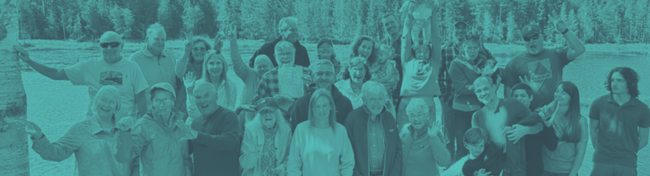



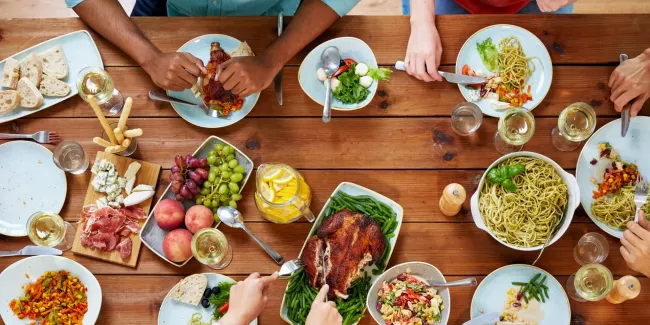




From leftover food to dirt bikes to a recovery center, three communities are discovering what happens when they say yes to the opportunities right in front of them. We say it often at Fresh Expressions: The beginnings of something new are sometimes surprisingly ordinary. And at our recent Here for Good gathering in Bristol, Virginia , we heard three stories that brought this truth to life. Leftover food from a fundraiser. A dirt bike track in Southwest Virginia. A recovery center in Bristol. These weren't hypothetical ministry ideas or carefully constructed plans. They were stories of local leaders who recognized an opportunity, took a step of faith, and discovered God at work in unexpected ways. During a conversation moderated by Shannon Kiser, Director of Fresh Expressions, Jonathan Anderson of Engage Tri-Cities, Daniel McGlothlin of Church of Dirt, and Uriah Booher of The Table shared how their ministries began and what they've learned along the way. Their stories invite us to imagine what might be possible in our own communities. Engage Tri-Cities: Start With an Opportunity When Jonathan Anderson and his wife returned to Kingsport, Tennessee, in 2016, they believed God was leading them to plant a church. They began gathering with friends on Friday nights, sharing pizza and exploring what might come next. As they prepared, Jonathan volunteered with local nonprofits, wanting to understand the community rather than make assumptions about its needs. Then one Saturday night, a friend called with leftover food from a fundraiser. Did Jonathan know somewhere it could go? The next afternoon, about a dozen people gathered to serve meals to neighbors experiencing homelessness. Afterward, they returned home, sharing stories of conversations and relationships beginning to form. There was no plan to make it a recurring ministry. But the group wanted to do it again. What began as one afternoon became an every-other-week gathering, then a weekly ministry as more churches joined in. Today, through Engage Tri-Cities that commitment to relationships continues in Kingsport's Lynn Garden neighborhood. Rather than arriving with a predetermined plan, the team spent months listening to residents about what mattered to them. When neighbors identified safety as a concern, Engage Tri-Cities helped organize a neighborhood watch, creating space for residents to connect and have their voices heard. They've also worked to renovate neglected properties. And sometimes, the most meaningful moments happen when the work stops. Jonathan described neighbors dropping by during renovations, leading to conversations on overturned buckets about family struggles, loneliness, and prayer. He's learned that these moments aren't distractions. "That's not an interruption. That is an opportunity." What began with leftover food has become a way of seeing, listening to, and loving a community. Church of Dirt: Start With a Shared Passion In Abingdon, Virginia, Church of Dirt began with an entirely different idea. A man named Winston loved motorcycles and wanted to support a church in Costa Rica. He built a dirt bike track on his property, hoping to raise money by charging riders to practice there. The fundraiser worked, but local ordinances and concerns about noise made continuing the original plan difficult. Still, something was happening. Riders were gathering, sharing meals, building friendships, and hearing short Bible messages. Eventually, the gatherings developed into Monday evenings for adults and Tuesdays for youth. Daniel McGlothlin, one of Church of Dirt's founding members, remembers a winter gathering in Winston's garage that changed everything. Winston was preparing to share a Bible story and asked the children if anyone had ever heard of Noah. Not one hand went up. There were roughly 30 to 40 children present. In the heart of Southwest Virginia, a region many consider part of the Bible Belt, none appeared familiar with one of the Bible's most recognizable stories. "That's when we realized, hey, this is a real church," Daniel recalled. Many motocross families spend their weekends traveling to races. Traditional Sunday morning worship simply isn't part of their rhythm. But during the week, they're eager to gather at the track. So that's where Church of Dirt meets them. Children and adults come to ride, eat, build friendships, and hear about Jesus. Even the restriction limiting how many motorcycles can ride at once creates opportunities for relationships as riders wait their turn. What began as a fundraiser became a Christian community taking shape around a shared passion. Daniel's encouragement to other leaders is simple: "If God's given you a passion about something, if you just turn that passion over to God, he can build anything with it." The Table: Start With the People on Your Heart For Uriah Booher, associate pastor of The Table in Bristol, Virginia, the mission is deeply personal. Having spent more than 20 years struggling with addiction, Uriah knows what it feels like to experience homelessness and be overlooked. He remembers walking the streets of Bristol and feeling as though people avoided even making eye contact. He never wants someone else to feel that way. Today, The Table creates Christian community with people who have often been overlooked, particularly those experiencing addiction, homelessness, and other difficult circumstances. The ministry began with a vision to bring church into Bristol Lifestyle Recovery, a local recovery center. As people began coming to faith, leaders recognized the need for ongoing discipleship beyond the initial recovery experience. That led to Mark 117, a yearlong residential discipleship program where men grow in faith, learn to live on mission, and participate in the ministry of The Table. And that ministry doesn't require a traditional church building. On Sunday mornings, they gather at Bristol Lifestyle Recovery, sometimes setting up chairs in the parking lot. On Sunday evenings, they meet at the Boys and Girls Club, serving approximately 100 to 150 meals. But the meals are only part of the story. The men involved in Mark 117 get to know guests, listen to their struggles, and follow up on conversations the next week. Ministry might also look like playing bingo at the Salvation Army, offering free haircuts in a park, or opening a gym so neighborhood children can play basketball. The common thread isn't a particular program. It's a commitment to helping people know they are seen, loved, and valued. "Jesus never looked over anybody, and we don't want to look over anybody," Uriah shared. The Table also invites local churches to participate. While donated meals and supplies are appreciated, Uriah encourages churches to offer something even more important: their presence. Come share a meal. Sit with someone. Listen to their story. Build a friendship. It's not simply about what the church can do for people, but what it can do with them. What Might God Do With What You Already Have? One of the most meaningful parts of the conversation at Here for Good wasn't simply hearing about three creative expressions of church. It was recognizing what these seemingly different ministries had in common. As the leaders shared, Shannon Kiser offered this observation: "Each of these started not with something you wish you had, but what you actually had." Jonathan had a small group of friends, leftover food, and a concern for his neighbors. Daniel and his friends had a field, a garage, and a shared love of motorcycles. Uriah had his own lived experience and a desire to help others know they were loved. None knew exactly where those beginnings would lead. But each took a step, paid attention to what was happening, and responded to the opportunities that followed. These stories aren't meant to suggest that every church should start serving meals, build a dirt bike track, or launch a recovery ministry. Instead, they offer a glimpse of what becomes possible when disciples carry their faith, passions, relationships, and experiences into the communities around them. Near the end of the conversation, someone in the audience asked how to recognize God's nudge and find the courage to respond. The three leaders offered remarkably similar encouragement: Take the first step. As Jonathan reminded the room, "You don't have to start with that 10-year plan, just that next yes." It was the kind of conversation that made Here for Good so meaningful. Leaders from different communities, with different experiences and approaches to ministry, learning from one another and discovering fresh possibilities for their own contexts. And perhaps that's the invitation for the rest of us, too. God has already placed people, passions, experiences, and opportunities in our lives and congregations. We may not know exactly where they'll lead, but we can begin by offering what we have and taking the next faithful step. Sometimes that's where something new begins.
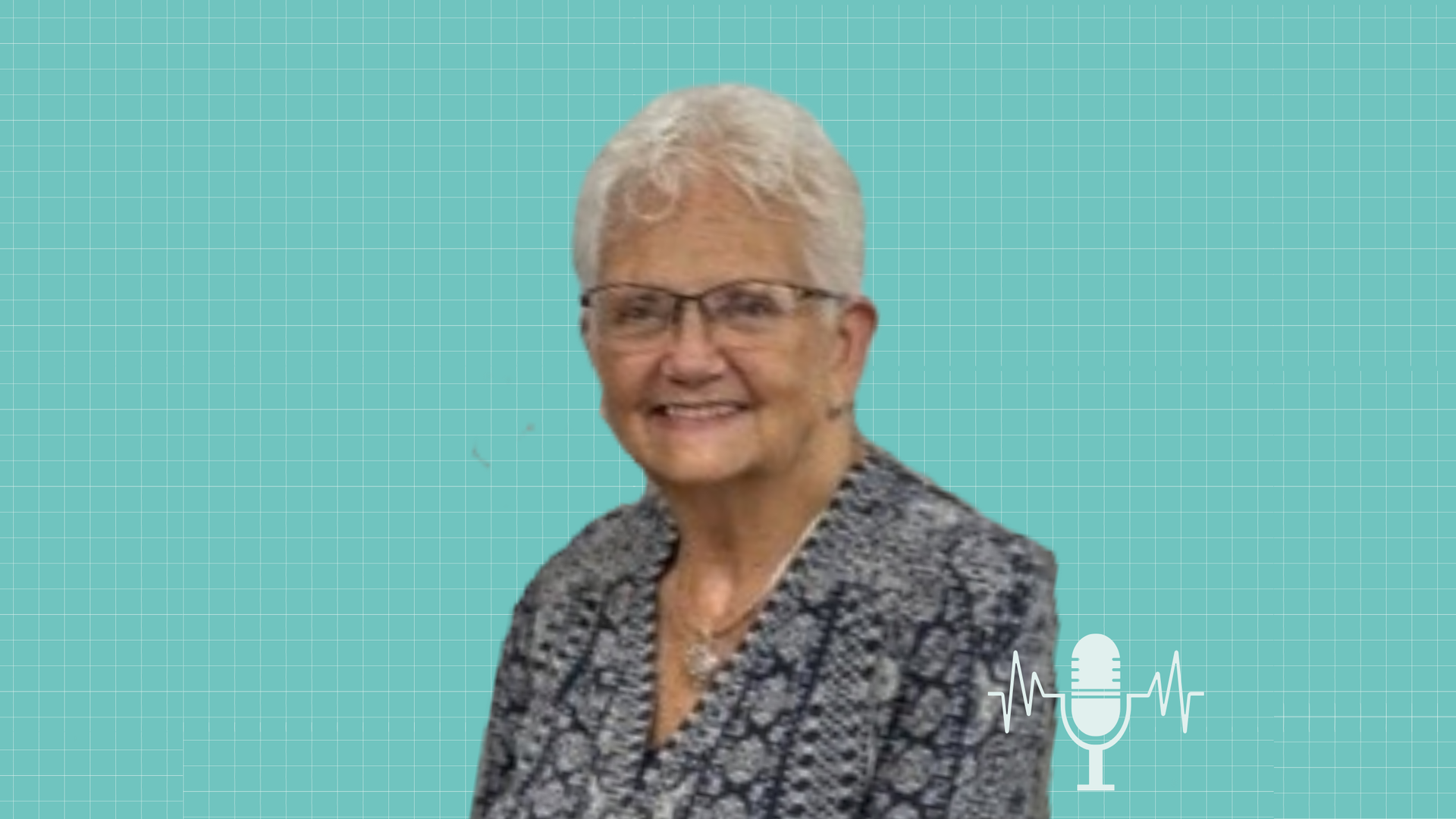
What changes when we begin to see the image of God—and the gifts of God—in every person? Sue Bessette’s story is one of transformation. She openly shares that there was a time when she avoided people with disabilities. But God began changing her heart, eventually leading her into more than two decades of disability ministry and a habit of seeking out people with disabilities wherever she went. That’s how Sue met the young woman who invited her to Miracles of God, a Fresh Expression of church where people with special needs, families, caregivers, and friends participate, contribute, worship, and belong together. In this conversation, Sue shares what God has taught her—and continues to teach her—about belonging, giftedness, and recognizing His image in everyone. Listen to Sue’s story and discover what the community of Miracles of God has taught her. Sue Bessette was born in Manhattan and raised in Northern New Jersey. A mother of three daughters, grandmother of four granddaughters, and great-grandmother, Sue’s journey of faith began later in life. After 17 years of her daughters praying for her, Sue came to faith in Christ at age 59. For more than two decades, Sue served with Joni & Friends Disability Ministry , both locally and through national and international ministry, developing a deep passion for people with disabilities and their families. At age 79, an invitation to Miracles of God Church opened the door to a new chapter in her journey—one that would bring together her love for people, her experience in disability ministry, and a growing relationship with God. This season, we’re diving into the streams of Fresh Expressions — from senior adults and recovery ministry, to arts, outdoors, recreation, and more. Each month, you’ll hear directly from practitioners who are navigating these fresh ways of being church in the world. Their stories will spark your imagination and encourage you to see where God is already at work in your community and how you might join in! So whether you’re a pastor, lay leader, or simply curious about how church can thrive beyond the walls, join us for Season seven of the Fresh Expressions Podcast. Related Resources:
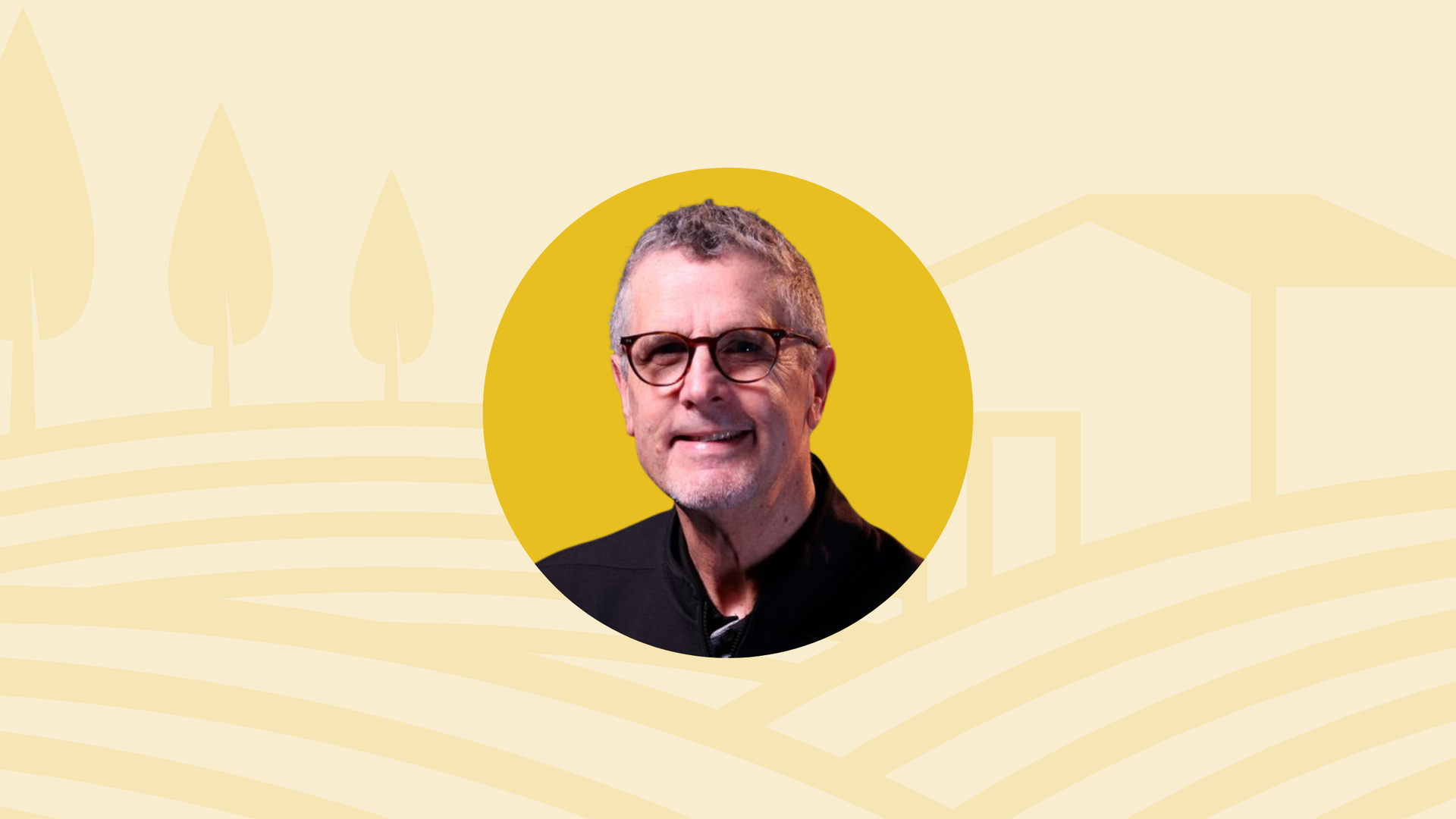
What is giving rural church leaders hope right now? In this episode of the Rural Renewal Podcast, Chris and Kathleen sit down with Andy Barnes for a conversation about what he is seeing and hearing across rural churches and communities. Together, they explore the stories we sometimes miss when challenges become the dominant narrative and the creative, faithful ways rural churches are loving their neighbors, serving their communities, and joining in with what God is already doing. Andy also offers encouragement for pastors who are tired or wondering whether their faithful presence is really making a difference, and shares what gives him hope as he looks toward the future of the rural church. This conversation offers a glimpse into the heart behind Here for Good : paying attention to what God is already doing right where we are and discovering how we might join in. Andy Barnes is a former basketball coach having coached at the high school and college levels. After coaching he pastored for over 25 years and is now a regional field strategist for the BGAV in SW VA. He has been married to his wife Marsha for 42 years. They have 4 grown children and 6 grands. Chris and Kathleen Blackey , are hosts of the Rural Renewal Podcast. Since 2010, together they have served as co-pastors at the First Baptist Church of South Londonderry, Vermont. The Blackeys live in South Londonderry, Vermont with their children – Sarah, Daniel, and Priscilla, as well as their cat, dog, and chickens. Related Resources: Are you a Rural Leader? Join us October 8th & 9th, 2026 for Here for Good in Bristol, VA. Join our Facebook group: Rural Renewal Podcast Community Email us: podcasts@freshexpressions.com Subscribe & Review Help us get the word out by subscribing and leaving a review for Rural Renewal Podcast on your favorite platform. Apple Podcasts Spotify Google Podcasts