


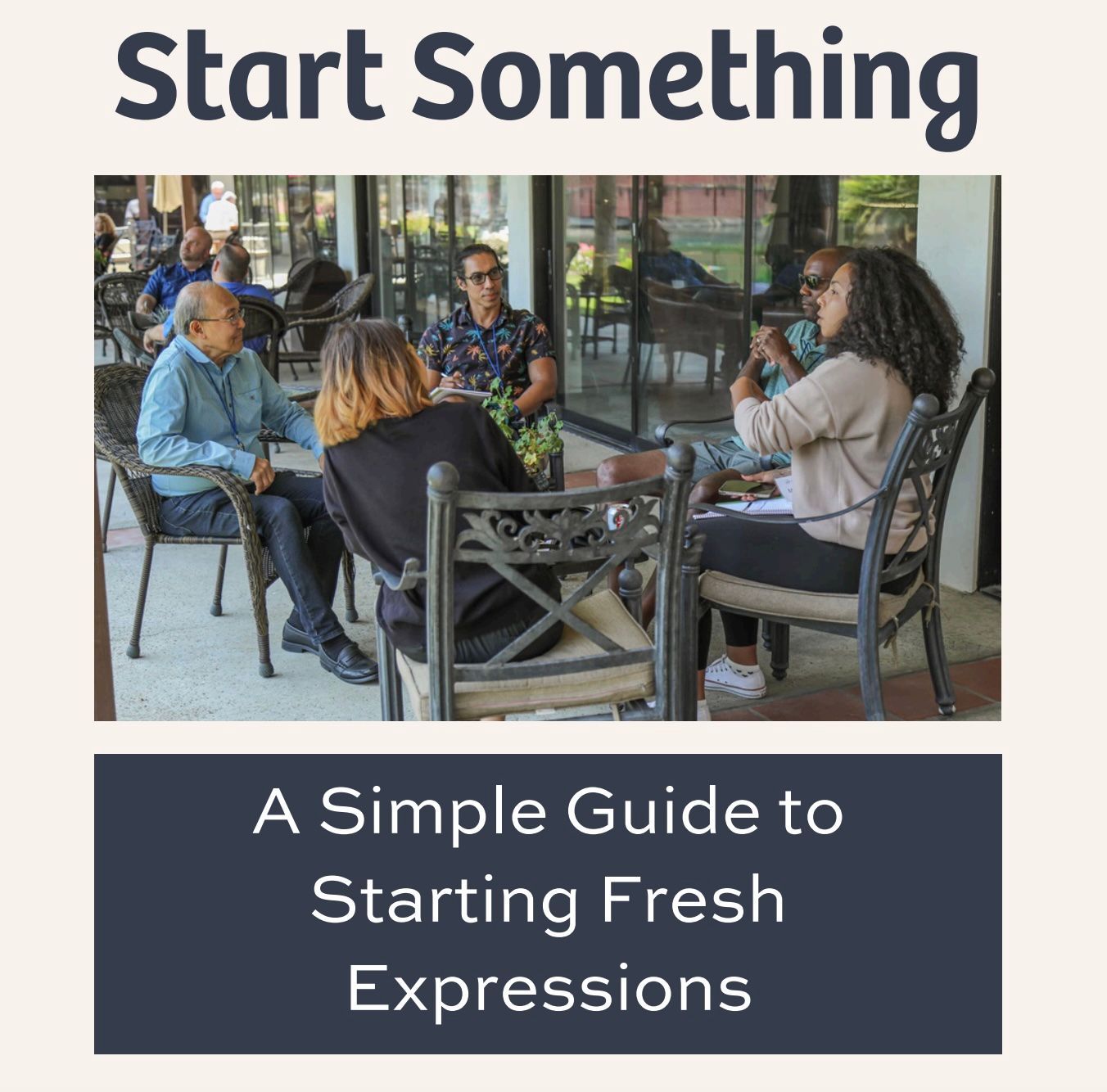


A few years ago, we sat down with Jeremy Veninga to hear a story that was already surprising. Jeremy had entered the Dinner Church School of Leadership unsure whether he was capable of starting something like a Dinner Church. He didn’t come from a traditional pastoral or theological background. But he knew enough to know he wanted to learn—and, as he put it at the time, he needed to “go head first.” By the time we recorded our conversation with him, that step of faith had grown into three Dinner Churches reaching more than 200 people each week. Recently, we wondered: What happened next? So we went back to Jeremy. Four Years, Four Dinner Churches Today, Jeremy and his team have four Dinner Church locations. Their first is approaching its fourth anniversary, while their newest location is already celebrating its first year. Together, they are now sharing a meal with nearly 300 people every week. But perhaps the most telling part of Jeremy’s update isn’t the number of locations or even the number of people around the tables. “Our teams are going strong and are still feeling excited and energized about the mission,” he shared. Four years in, some things have also gotten easier. In the beginning, Jeremy remembers how much attention went toward simply figuring out how to make Dinner Church happen. There were logistics to learn, rhythms to establish, and plenty of details that seemed important. Now, those rhythms come much more naturally. “We are able to focus on the people more than the process,” Jeremy said. “At first I think the logistics felt so front and center because we were learning.” Time has also given the team some perspective. “People don't notice the things that you notice,” Jeremy reflected, “and the things we thought were big in the beginning we don't even notice anymore.” With less energy going toward getting every detail right, there is more room to notice what has always mattered most: the people around the tables. Watching Discipleship Happen Over Time In our original conversation, Jeremy offered a simple picture of discipleship at Dinner Church: being present, participating, and pondering. Years later, he has had the opportunity to watch people move through those layers. One of them is Zach. Jeremy watched as Zach moved from experiencing homelessness to having a place of his own. But he also watched something else unfold. Zach didn’t simply attend Dinner Church. He began to make himself part of it. He lent a hand. He leaned into the Jesus story. He shared with others. His story gave Jeremy and the team a chance to see what can happen when someone has a table to keep returning to—and a community in which faith has room to grow over time. From Leading Everything to Raising Up Leaders Jeremy’s own role has changed, too. In the original podcast, he described a transition from being the “key decision maker” to becoming the “chief noticer, encourager, equipper, and supporter.” That transition has continued. Jeremy and Cindy now serve in more of an oversight role, while key leaders at each Dinner Church carry the ministry in their individual locations. “We have seen our people really step up and step into their individual calling,” Jeremy said. “It has been very awesome to see.” Jeremy and Cindy still spend time at each location, supporting leaders and their teams. But raising up others has freed them to begin asking where they might be called next—what Jeremy describes as their next “Macedonian call.” And underneath that multiplication is something Jeremy was given before the first Dinner Church ever began: permission. His pastor and host church were willing to encourage the idea, pray for it, resource it, and give Jeremy room to try. That support hasn’t disappeared as Dinner Church has grown. “We are blessed with a pastor that still fully supports not only the current state but the future of what we are doing,” Jeremy said. Their church is believing for 1,000 people being reached inside the church—and another 1,000 outside it. Jeremy’s encouragement to other pastors who see someone in their congregation carrying a similar vision is simple: start with encouragement and prayer. Then, if possible, back that encouragement with financial support. “This has been so much easier knowing we didn't have to focus on funds and could focus on the vision and, more importantly, the people we are reaching.” Returning to What He Learned When Jeremy first entered the Dinner Church School of Leadership , he wasn’t sure he was capable of doing any of this. Four Dinner Churches later, he is still returning to what he learned there. In fact, the day before answering our questions for this story, Jeremy had been listening to recordings from his DCSL sessions. “It is still a rich resource that helps me to this day,” he said. Some of those lessons have taken on deeper meaning with time and experience: prayer walking, sitting at the tables with people, understanding the different phases a Dinner Church moves through, and continuing to make room for new people. Jeremy calls it keeping “the pipeline open.” And there is another lesson he continues to carry with him: “Remembering we are in the rescue business is something that continues to be at the forefront of what we do.” For Jeremy, coming into DCSL without a traditional ministry background wasn’t something he needed to overcome. In some ways, he sees it as an advantage. His encouragement to someone who might wonder whether they have enough theological education, ministry experience, or credentials to begin is rooted in what he has now experienced firsthand: “You don't have to have those accolades to turn strangers into friends, friends into family and family into Christ followers. Just do it!” Still Looking Toward the Next Table Four Dinner Churches haven't left Jeremy and his team looking for a place to settle. They're asking how to prepare for what comes next. That means identifying and developing more of the right people. It means reaching into the neighborhoods surrounding their newest Dinner Church and inviting more people into community. And it means gathering their teams more frequently to pray for and encourage one another. The structures may be more familiar now. The rhythms may come more naturally. But the posture is remarkably similar to where Jeremy began: listening, learning, and remaining open to where God might lead next. We asked Jeremy to finish one sentence: “A few years ago, I never would have imagined…” His answer seems a fitting place to leave this chapter of the story: “We would be celebrating four years and four Dinner Churches while still feeling so energized for the mission ahead. Also the friendships we have formed in the surrounding communities that have become family.” Four years. Four Dinner Churches. Nearly 300 people gathering around tables each week. And still wondering where the next table might be set.

If you are a church leader like me, serving in church circles where we are feeling the weight of a burgeoning population combined with the innumerable closing of struggling churches, you’ve heard a lot about church planting in the last 10 years. We know that North America, as a whole, needs more churches and especially more healthy churches. There is often a barrier that stands in our way that is a difficult one to navigate. Church planting in the traditional sense is VERY expensive. Often, there is some type of real estate involved with either the purchase of a building or at least a lease. There are salaries to be raised, equipment to be purchased, publications to develop, and promotional strategies to be thought out, all while trying to gain the attention of a distracted world. It can feel daunting. Often, we also have one method of accomplishing the mission when the subject of church planting comes to mind: plant the same kind of church that we’ve been planting. A place where people gather in rows to sing together and hear a message about the Bible. This has left many denominations and networks in a quagmire of finding the right people, the right places, and securing the funding needed to accomplish this huge mission of sharing Jesus with every community under our care. The Mission Is Unchanged. What About the Method? What if there was another way forward? What if church planting could become something more of the churches in your network could participate in? What if a small congregation could look at a neighborhood where people are disconnected from church and say, “We could do something here”? Dinner Church offers one possible way forward. The concept is remarkably simple: cook a meal, set the table, gather people together, and share the story of Jesus in the context of relationship and community. Instead of waiting for people to walk through the doors of a traditional church, Dinner Church creates an opportunity to bring the church into the communities where people already live. That simplicity makes Dinner Church an accessible and affordable approach to church planting. Many churches under your care, even if they are small, can determine to cook a meal and set a table in their neighborhood. But accessible does not mean untrained. If we want these new expressions of church to become healthy, sustainable, and reproducible, we need leaders who understand not only how to set a table, but how to lead the mission that happens around it. Leaders need a biblical and theological foundation for Dinner Church, practical tools for building teams and engaging their communities, and the ability to help what begins around one table grow and multiply. That is why the Dinner Church School of Leadership matters. The School of Leadership goes beyond introducing leaders to the idea of Dinner Church. It equips leaders to understand the theology and practice behind the table while developing the practical, reproducible tools needed to establish and multiply Dinner Churches in their own contexts. Listen to what Tom Rees, Church Planting Director from the PennDel Network of the Assemblies of God, has to say about Dinner Church planting and leadership development in their network: “Dinner Church has become one of the most effective tools we've found for planting the Gospel in communities where the people may never walk through the doors of a traditional church. It strips away unnecessary barriers and creates a place where real conversations happen over a shared meal. Just as important, the Dinner Church School of Leadership has equipped our key Dinner Church Quarterbacks, giving them the practical, reproducible tools to help launch new Dinner Churches. In a region like ours, where ministry requires creativity, perseverance, and a little grit, Dinner Church is helping us start new ministry expressions, develop new leaders, and reach people who have been overlooked for far too long. Dinner Church is helping us extend the gospel reach, one table at a time.” Equipping Leaders to Set the Table Many networks and denominations are beginning to embrace this effective, affordable approach to church planting. But imagine what could happen if we did more than simply encourage churches to try Dinner Church. What if we intentionally equipped leaders who could carry this vision into communities across an entire region or network? What energy and vision could be built if church planting became something that every church believed it could participate in? What if a small church didn’t have to become a large church before it could plant something new? What if leaders who may never have imagined themselves as church planters discovered that God had already given them what they needed to gather people around a table? Imagine the impact. Here’s my challenge to you: would you consider identifying a few key leaders who are ready to embrace church planting in a whole new way and investing in them through the Dinner Church School of Leadership? Perhaps Jesus is preparing you and those you lead to embrace the neighborhood again. Perhaps there are communities waiting for followers of Jesus who are brave enough to set the table again. Perhaps there are leaders already within your churches who simply need someone to recognize their potential and equip them for what God might do next. Perhaps gaining traction in an increasingly secular landscape can begin with something as simple—and as deep—as bringing back the power of the Jesus table in your community. Ready to equip leaders for the table? Learn more about the Dinner Church School of Leadership . Looking for a different next step? Explore Dinner Church Encounter, Launch, and Lead trainings to find the right starting point for you or your team.

When I was right out of college, I packed three suitcases and moved from Texas to Washington, D.C. My parents were understandably concerned. They worried that I would be alone and have trouble finding my own way. I had made a few connections, and within a couple of weeks of arriving I was invited to rent a room in the home of a family. There's a particular transience to the D.C. area. Nearly everyone is from somewhere else, and this family was no exception. They remembered what it was like to be new, and they were particularly good at helping outsiders become insiders. When I moved in, I was given a chore. My simple task was unloading the dishwasher. It may seem odd, but it made me feel like part of the family. Before too long, their friends became my friends, and my friends became their friends. Our life together painted a different picture than the one we so often see in the midst of American suburban life. Like most families, they were busy people. Their schedule was already full. The thing is, this family didn't try to fit me into their schedule. They invited me into their life. In reality, their decision to open their home and their lives to me—and to others—made their schedule richer, not harder. During the years I lived there, they didn't throw a Christmas party. They threw a Christmas decorating party. They made the chili. The guests put the lights on the tree. For anyone who was far from home, the experience offered a blessed taste of home. Their hospitality welcomed us into a new kind of family. A Promise for Outsiders The prophet Isaiah tells us about a new kind of family—a family that welcomes the outsider into a promised land filled with hope. The nations will see your righteousness, and all kings your glory; you will be called by a new name that the mouth of the Lord will bestow. ... No longer will they call you Deserted, or name your land Desolate. But you will be called Hephzibah, and your land Beulah... (Isaiah 62:2–4) Isaiah is often called the "fifth gospel" because his words point so clearly to the coming of Christ. His prophecy was written across seasons of Israel's history—from strength, to exile, to restoration. Again and again, Isaiah reminds God's people that despite hardship, they will not be forsaken. The land will not remain desolate forever. God will give His people a new name, a new identity, and a renewed future. The promise of Israel, Isaiah says, is available to all. Those themes are instructive for us as we think about the life of the church. Like Israel, we have a collective memory. Many of us remember a time when it seemed like everyone we knew went to church. Now that time has passed, and it can feel as though we're living in exile. But exile changes us. It makes us stronger. We may dream of returning to the place where we once were, but that place never looks the same. The house we grew up in always feels smaller than it did when we were kids. We can't expect the church to look the same either. Like the prophet Isaiah, we remember that no matter the hardship, the people who are ushered into God's promise are given a new name and a new family. The promise of Israel is a blazing torch for all to see. When I say Israel, I don't mean simply the nation. I mean the promise: the promise of salvation, the promise that God delights in His people, and the promise that no matter how rejected or forgotten we may feel, God desires to give us a new name. The question for us is this: How is that promise made visible through our lives? From Outsiders to Family One of the most beautiful pictures of that promise is found in the story of Epiphany—the manifestation of Christ to people outside of Israel. The Magi follow the star to the home where Mary, Joseph, and Jesus are staying. Long before many recognized who Jesus was, outsiders were welcomed into His presence. I love celebrating Epiphany because, the truth is, we wouldn't be here without it. Which brings us back to family. The Magi are outsiders who are invited inside. They bring gifts to Jesus. Their story is a tangible reminder that the whole world has been invited into the celebration of God's covenant with His people. Think about it. Israel was once a closed family. There were rules about associating with outsiders. Through Jesus, that family was opened to the whole world. The promise that Abraham's descendants would be as numerous as the stars in the sky was beautifully echoed in the star that led the wise men to Jesus. Thankfully, Jesus' family didn't have the television up too loud when the wise men came to the door. Thankfully, they didn't wait until all the laundry was folded before welcoming them inside. There was something special about this family. They revealed something of God to the world, and the world couldn't help but notice. The same should be true of our families—and of the church as a family of families. If God's covenant with His people opened the door for outsiders to become family, how might God use our own families to invite others into His life? Three Ways to Help Outsiders Experience Family One of the gifts of the family who welcomed me into their home is that they showed me hospitality isn't complicated. It often begins with ordinary acts of openness. Celebrate holy days that tell the story of Jesus. Celebrate holidays in ways that invite neighbors into God's story. For Epiphany, invite friends to bring gifts for children in need. Let the children help the wise men journey to the manger scene. On the Feast of the Presentation, host a shower or blessing for a newborn in your neighborhood. Our celebrations can become opportunities for others to experience the welcome of God. Invite people into your life—not just your schedule. The family I lived with didn't try to squeeze me into an already busy calendar. They invited me into the life they were already living. Share errands with someone who's new in town. Invite neighbors over for a spontaneous Saturday breakfast—and don't clean the house beforehand. Hospitality isn't about creating perfect moments. It's about sharing everyday life. Pray with expectation. Before you leave for the grocery store, head out to dinner, or run errands, pray with your spouse, children, or housemates. Ask God to show you someone who needs encouragement or a blessing. People in our fresh expression have made this a regular practice, and they often come back with stories of God's work in the grocery aisle or around an ordinary meal. A New Name. A New Family. The promise of Israel is the promise of a new identity, a new family, and a new name. As we live into that promise ourselves, we also have the privilege of helping others discover that the Epiphany—the manifestation of God's power revealed in Jesus—is available to all. FROM THE ARCHIVES: Some ideas become more valuable with time. This article has been lightly updated to serve today's mission while preserving the author's original vision.
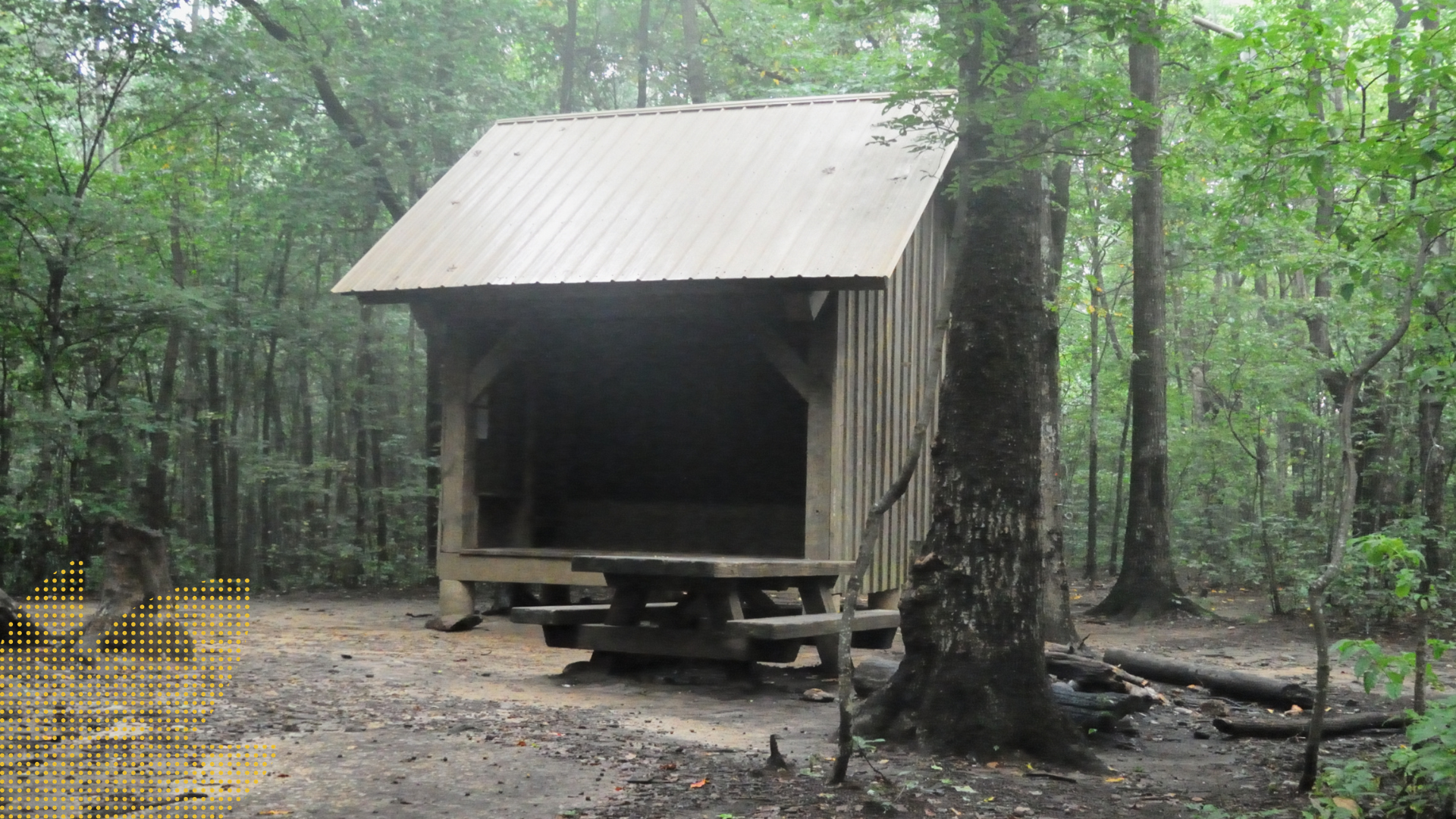
The brown leaves crunched beneath my boots as my friend and I hiked a section of the Appalachian Trail. Along the way, we passed two very different kinds of hikers. There were the weekend hikers—families with dogs and daypacks headed back to cozy cabins at day's end. And then there were the thru-hikers. These were people carrying everything they owned on their backs, committed to walking hundreds—sometimes thousands—of miles. They weren't taking a holiday from the trail. They lived for it. Their hearts were set on the journey. And thru-hikers don't stay in cabins. Instead, when they're not sleeping in tents or hammocks, they stay in simple trail shelters. These small, open-air structures provide protection from the wind and rain, but they're not designed for comfort. They're places where strangers become friends, stories are exchanged, meals are shared, and then everyone heads back onto the trail. That image has stayed with me ever since. Cabins are for people who want to take a holiday from the world. Shelters are for people who see the world as their mission. The same can be true of our church buildings. When Church Buildings Become Cabins One of the greatest resources an established church has is its building. For generations, church buildings have represented faithfulness, sacrifice, and the life of a congregation. They have been places of worship, celebration, comfort, and community. But as our culture has changed, many church buildings have quietly shifted in purpose. Instead of serving as launching places for mission, they've become places where the church retreats from the world around it. They protect us from the unfamiliar. They reflect the preferences of those who call them home. They disconnect from the neighborhood. They unintentionally communicate that church happens inside these walls rather than beyond them. In other words, many church buildings slowly become cabins. Cabin or Shelter? Having a church building isn't the problem. The question is what that building is preparing people to do. Does it primarily gather people who already belong, or does it equip and send disciples into the neighborhoods God loves? How do you know? Take this simple test: Do the majority of groups and ministries of your church meet in the building? (+1 for cabin if yes, +1 for shelter if no) Do any community groups utilize your building? If so, do you know the names of the groups’ leaders and something about them? (+1 each for cabin if no, +1 each for shelter if yes) Does your church kitchen cook food mainly for church members or community members? (+1 for cabin if church, +1 for shelter if community) If you started a new ministry that utilized your building in a way for people who are not connected to your church, would your congregation be mad? (+1 for cabin if yes, +1 for shelter if no) Do congregation members see themselves as owners or stewards of the building? (+1 for cabin if owners, +1 for shelter if stewards) Ask 3 people at the nearest grocery store if they have heard of your church. (+1 for cabin if 2-3 have not, +1 for shelter if 2-3 have) In outreach events, do congregation members focus more on talking to people who enter your church campus or selling things from your church campus? (+1 for cabin if selling things, +1 for shelter if talking to people) Does your church tell more stories (in worship Sunday School, etc) of local missions and missionaries or foreign missions and missionaries? (+1 for cabin if foreign, +1 for shelter if local) "Does your church building tend to serve more as a cabin—a place for members to congregate—or as a shelter—a place to deploy people into mission?" Turning Cabins into Shelters The good news is that cabins can become shelters. It doesn't happen overnight, but it does happen one faithful step at a time. Remove the Walls Not the physical ones—at least not yet. Begin by identifying the assumptions, fears, habits, or traditions that keep your congregation disconnected from the people around you. Disrupt Comfort Comfort isn't bad, but it can quietly become the enemy of mission. Ask what small changes might help your congregation become more attentive to the needs of the neighborhood than to maintaining the status quo. Tell Better Stories Share stories of everyday missionaries in your congregation—people building friendships, serving neighbors, and noticing where God is already at work. The stories we celebrate shape the church we become. Audit Your Building Walk through every room in your church with fresh eyes. What spaces are underused? Who from your community could gather there? Could you imagine homework clubs, recovery groups, artists, neighborhood associations, music lessons, or community meals filling those rooms throughout the week? Audit Your Community Meet with local leaders—a principal, nonprofit director, mayor, librarian, or business owner. Ask them one simple question: What are the greatest needs in our community right now? Listen carefully. God often reveals new mission opportunities through the voices of our neighbors. Prayer Walk Walk your property and your neighborhood with open eyes and open hearts. Pay attention to who is there, who isn't, and what the Holy Spirit may be inviting your church to notice. Visit The Chapel (the FX Prayer page) for a downloadable Prayer Walk Guide. Find Teammates Don't try to transform your church alone. Invite others to dream, pray, and experiment with you. Mission has always been a shared journey. Turn Existing Ministries Outward Rather than creating something entirely new, consider how an existing ministry could become more outward-facing. Could your annual dinner become a neighborhood meal? Could your building become a home base for people serving in the community rather than simply a destination? A Place to Be Sent In the time and place in society we find ourselves, church buildings can be a game-changer in re-orienting toward mission and the Kingdom of God. When a church building is a shelter where travelers can gather and then see their mission as back on the trail, it can amplify the evangelistic zeal and change the direction of an existing congregation. Cabin or shelter—which will be part of your church’s story? Cabin or shelter? Which story will your church tell? FROM THE ARCHIVES: Some ideas become more valuable with time. This article has been lightly updated to serve today's mission while preserving the author's original vision.

Dinner Churches and other fresh expressions often gather people with little or no experience with church—or whose only experiences have been distant or disappointing. Many are spiritually curious but unfamiliar with Scripture, making the Bible feel confusing or inaccessible. That's why we began looking for simple "entry points" into the story of what God is doing in the world. When the early Church faced a similar challenge, they told stories about Jesus—His life, teachings, miracles, death, and resurrection. That's what the apostles proclaimed throughout the book of Acts. It's what they used for evangelism and discipleship. They trusted the stories of Jesus to introduce people to Jesus Himself. Early church gatherings often happened around tables and shared meals. There, people heard simple, focused messages built around a single story from the life of Christ. Listeners were invited into Jesus' story, and over time, Jesus was invited into theirs. These messages were usually brief. There's a reason for that. As Paul reminds us, "the gospel... is the power of God that brings salvation to everyone who believes" (Romans 1:16). The first apostles trusted the stories of Jesus to carry the weight of their preaching. Creating a Bible for First-Time Readers We wanted a Bible that worked naturally in the Dinner Church context—one centered on the stories of Jesus found in Matthew, Mark, Luke, John, and Acts. It would provide an accessible place for people to begin without overwhelming them with study notes, cross-references, or explanations intended for experienced Bible readers. On a practical level, we also chose to remove the verse numbers. While helpful for study, they often interrupt the natural flow of the story and can feel unfamiliar to someone opening the Bible for the first time. We wanted readers to experience Scripture as a narrative that invites them in rather than as disconnected verses to analyze. We partnered with the American Bible Society to create this resource using the Contemporary English Version (CEV). We retained simple story headings while allowing the text itself to remain uncluttered. We called it Jesus Stories . Many Bibles are designed with study in mind, complete with notes and cross-references that serve mature readers well. Jesus Stories serves a different purpose. It removes many of those barriers so first-time readers can simply encounter the life of Jesus. Every guest who joins one of our Dinner Churches receives a copy as a gift, and our pastors preach from it every week. Why Stories Still Matter In a culture saturated with opinions, arguments, and endless content, stories still have a unique ability to disarm us. Rather than telling people what they should believe, the stories of Jesus invite them to encounter Him for themselves. Across our network of Dinner Churches, we've watched this simple practice awaken curiosity in people who never imagined church had anything to offer them. Week after week, guests tell us they find themselves thinking about the story long after dinner has ended. Those of us in the household of faith know why. Jesus continues revealing Himself through His own story. Over time, curiosity becomes conversation. Conversation becomes prayer. Prayer becomes a growing relationship with Christ. Three Parts of the Jesus Story Experience 1. Storytelling The speaker shares a seven-to-ten-minute message built around one story from the Gospels or Acts. Rather than offering a lengthy sermon, they read the passage and retell it in their own words, helping listeners enter the story naturally. 2. Personal Testimony The storyteller then shares how that particular story has shaped their own life. Perhaps it brought peace during a difficult season, inspired courage to take a next step, or became a source of healing and hope. The goal is simply to show how Jesus continues to meet people today. 3. Reflection and Prayer The gathering concludes by inviting everyone to reflect on what the story might be saying to them personally, followed by a generous prayer of blessing for those around the table. Why We Keep Coming Back to the Stories of Jesus We certainly teach from the whole of Scripture. Yet we intentionally allow the stories of Jesus to remain at the center of our preaching, discipleship, and evangelism. The rest of Scripture enriches and supports what we first discover in Christ Himself. More than ever, people are looking for authentic conversations about faith rather than polished presentations. Two thousand years later, the stories of Jesus are still introducing people to Jesus. We hope more churches and fresh expressions will rediscover the simple power of sharing His story. ------------------------------------------------------------- Putting It Into Practice: Telling a Jesus Story You don't need to be a preacher or Bible teacher to tell a Jesus story well. You simply need to know the story, allow it to shape you, and be willing to share it naturally with others. Step 1: Let the Story Get Inside You Choose a story from the Gospels. Start with a shorter passage, then work your way toward longer ones as you become more comfortable. Read the story several times—silently and aloud. Better yet, invite someone else to read it with you. As you become familiar with the story, reflect on these questions: What do I love about this story? What surprises or challenges me? What does this story reveal about God? What does it reveal about people? What invitation is Jesus extending to me? What will I do with this story—share it, apply it, or continue reflecting on it? Step 2: Let the Story Shape You As you spend time with the story, pay attention to how it is affecting you. Ask yourself: How does this story make me feel? Where is the tension or conflict? Which character do I most identify with? What details stand out to me or connect with my community? What questions does this story leave me with? Is Jesus inviting me to think differently, act differently, or trust Him more? Does this story make me think of someone I should share it with? Step 3: Let the Story Flow Through You Practice telling the story to someone else. Don't worry about memorizing every detail or trying to sound like a preacher. Simply tell the story in your own words while staying faithful to what Scripture says. As you prepare, consider: What is the main point I want people to notice? Which details help communicate that point? How would I naturally tell this story around a dinner table, over coffee, or in an everyday conversation? Am I telling it in a way that is understandable, accurate, and engaging? How might I encourage someone else to share this story with another person? Afterward, take a few minutes to reflect. What happened? What surprised you? If possible, invite your listener to respond to the questions from Steps 1 and 2. You may discover that God is already at work in ways you never expected.
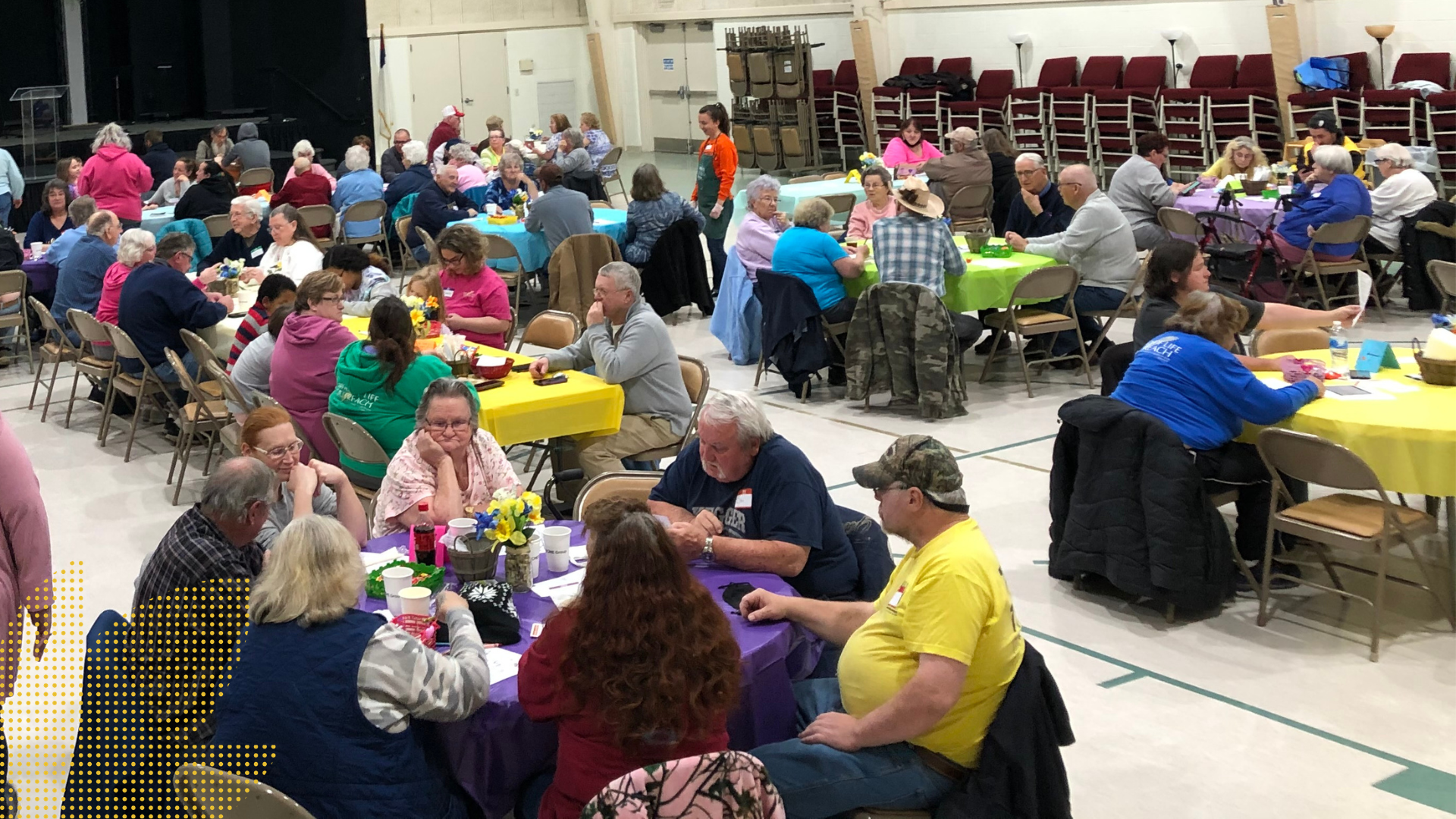
A Growing Hunger for Spiritual Fruit I had the privilege of pastoring Newport Assembly of God for fifty-one years. Our church is located in a small Pennsylvania town of 1,700 residents in a rural county of approximately 46,000 people. Over the years, the Lord enabled our church to build some amazing ministries at home and abroad. We continue to be a major stakeholder in our county. The Bread of Life Outreach (BOLO) receives, processes, and distributes more than 210 tons of food, household products, non-prescription medical supplies, and durable medical equipment each month. It is rewarding to operate our local food pantry and see hundreds of families served every week. While our church was meeting physical needs in significant ways, I felt we were lacking in identifying tangible spiritual fruit. We regularly shared Jesus and prayed with the people we served. However, it was often difficult to find the quality time needed to build meaningful friendships and help people take deeper steps in their relationship with Christ. We have a saying at Newport Assembly: "We are married to the mission but dating the strategy." So we prayed and asked God for direction. Discovering Dinner Church Eight years ago, I learned about a growing church planting model centered around tables and was encouraged to read Verlon Fosner's book, Welcome to Dinner Church. The book immediately captured my attention, and I began praying and researching this movement. As my excitement grew, I started sharing the vision with our congregation. Church members were invited to informational meetings where the dinner church model was presented. Key leaders were identified and challenged to take on important roles. We organized, planned, and—most importantly—prayed as we embarked on this dinner church journey. Our goal was to reach the unchurched, de-churched, and impoverished in our community. Ideally, we hoped to find a building not associated with a church, but no suitable location became available. Instead, we settled on Newport Assembly's Family Life Center, a gymnasium with a commercial kitchen and stage. We knew church properties can be barriers for some people, so we worked hard to create a welcoming environment. Invitation cards were distributed through our food pantry and throughout the community, and A-frame signs were placed in strategic locations to advertise our new gathering. Launching The Dinner Table We launched The Dinner Table on the last Thursday of March 2019. Our initial goal was to average fifty attendees per week by the end of 2019 and one hundred attendees per week by the end of 2020. After just three months, we were averaging 123 attendees each week. When we paused gatherings one year later due to COVID-19, attendance had grown to an average of 158 people per week. We resumed meeting in September 2020 and currently average around 130 attendees each week, supported by twenty-five to thirty faithful team members who serve on a regular basis.

This article emerged from the Fresh Expressions Podcast episode “Finding Belonging” featuring David Kim, author of Made to Belong. To listen to the full conversation, visit . Across North America, church leaders are asking important questions about how to connect with college students and young adults. Many campuses are filled with opportunities to connect, yet meaningful community often remains elusive. Despite being surrounded by classmates, roommates, organizations, and online networks, many students still struggle to find places where they feel truly known. The challenge facing churches is not simply how to gather students into a room. It is how to cultivate spaces where people can experience belonging. In a conversation on the Fresh Expressions Podcast, David Kim, author of Made to Belong , reflected on his own journey of loneliness, belonging, and community. Born in South Korea and moving to the United States at age ten, David experienced firsthand the challenges of finding connection in an unfamiliar culture. As he reflected on both his personal story and his years of pastoral ministry, he came to a realization: “I realized that wait a minute—I’m not the only one struggling with loneliness. So many of our people are coming into the church community longing and desperate for deeper spiritual friendships and communities.” While David’s comments were not directed specifically toward college students, they name a reality that many campus ministers, pastors, and church leaders encounter every day. Beneath the activity, busyness, and constant connection of modern life is a deep desire to be known. Belonging Often Begins with Shared Interests One of the practices David identifies in his work is what he calls “chemistry.” For some Christians, that word may feel uncomfortable. Aren’t we supposed to love everyone equally? David suggests a more nuanced approach. He explains, “There is actually a way for us to love all and still be okay to lean into the few that God is highlighting in our lives.” Host Heather Jallad immediately connected this idea to the Fresh Expressions movement, observing that “a lot of these Fresh Expressions of church kind of develop around affinity groups.” That observation helps explain why many Fresh Expressions begin not with a worship service, Bible study, or church program, but with a shared interest, hobby, passion, or experience. Again and again, we see relationships develop when people gather around something they already enjoy together. Several years ago, a member of our church in Blacksburg, Virginia, began wondering what might happen if her love of hiking became a place for spiritual connection. Emma, an avid hiker, noticed that many people in our region found meaning, reflection, and even a sense of God’s presence while spending time outdoors. Rather than waiting for a church committee to launch a ministry, she simply invited others to experiment with her. The first hikes included moments of silence, prayer, reflection, and conversation. Participants were invited to pay attention to creation through their senses and notice where God might be speaking or inviting them deeper. What began as a simple invitation created opportunities for meaningful spiritual conversations among people who already shared a love for the outdoors. We’ve seen this same principle surface in a variety of experiments among college students and young adults. Some have gathered around intramural sports, discovering that shared practices, regular rhythms of games, and post winning (or defeat) milkshake runs create natural opportunities for friendship. Others have explored communities built around gaming and shared interests that provide a low-pressure environment for students to spend time together, build relationships, and eventually engage in deeper conversations about life and faith. The common thread in each of these examples is not the activity itself. Hiking, sports, and gaming are simply the contexts. The deeper reality is that people are often more willing to explore questions of faith after they have first experienced a sense of belonging. Shared interests create space for trust, friendship, and community to develop naturally. Belonging Happens Around Tables Not every Fresh Expression begins on a hiking trail or athletic field. Some begin around a dinner table. At First Church in Williamsport, Pennsylvania, a ministry called Sunday Slowdown creates space for college students to step away from the pressures of campus life. The gathering centers around a home-cooked meal, board games, and a simple invitation to set phones aside and be fully present with the people in the room. In a season of life often marked by deadlines, constant notifications, and increasing isolation, Sunday Slowdown offers something many students deeply need: a place to slow down and be known. This desire to be known is one of the central themes David returns to throughout his conversation with Heather. Reflecting on the role of vulnerability in healthy community, he asks, “We want to be known but if you do not open up then how can we be truly known to begin with?” Genuine belonging requires more than simply occupying the same room. It requires trust, openness, and the willingness to share life together. Gatherings like Sunday Slowdown remind us that meaningful community is often built through ordinary practices. Sharing a meal, playing a game, listening to another person’s story, or simply being fully present can create the conditions where deeper relationships begin to form. While these moments may appear simple from the outside, they often become the foundation for significant spiritual conversations and lasting friendships. Beyond Content Toward Connection Many churches work hard to create opportunities for learning and discipleship. Bible studies, classes, and small groups remain important tools for spiritual growth. Yet David offers a helpful challenge for those leading communities. “When your group is primarily about regurgitating content, then you’re not really able to forge meaningful relationships.” David is quick to clarify that he loves Scripture and values Bible study. The issue is not the content itself. The issue is stopping there. As he explains: “We have to move on from being just regurgitating content to how that content is affecting and shaping and forming our lives.” This insight may be particularly important when considering ministry among college students and young adults. Many students are not looking for another lecture. They are looking for people who will walk alongside them. They are looking for spaces where questions are welcomed, stories are shared, and faith becomes something lived rather than simply discussed. Heather reflected on this same reality from her experience helping leaders start Fresh Expressions. “I’ve encouraged them to lead with their own limitations rather than walking in the room and saying, ‘I’ve got all the answers.’” Authentic community is rarely built through expertise alone. More often, it grows through honesty, curiosity, and a willingness to journey together. A Question Worth Asking As church leaders consider ministry among college students, young adults, and emerging generations, perhaps the first question is not: “What program should we start?” Perhaps the better question is: Where are people already finding connection? Around meals? On hiking trails? Through intramural sports? In gaming communities? Around creative projects? Through service opportunities? Through shared passions? The Fresh Expressions movement has discovered time and again that belonging often begins in ordinary places and through ordinary experiences. Long before people are ready to explore faith, they are often looking for friendship. Long before they are looking for a church service, they are often looking for a place where they can be known. The goal is not to create an activity for students. The goal is to discover where God may already be creating opportunities for belonging. What shared experiences already exist around your campus? Where are students already gathering? What passions, interests, hobbies, or needs might become the starting point for meaningful relationships? What if the next Fresh Expression among college students begins not with a program, but with belonging? These are some of the questions we continue to explore together during the Fresh Expression Incubators.

Have you ever stumbled across something that immediately captured your attention? Maybe it was a book, a podcast, or an idea that seemed to answer a question you've been carrying for years. Before long, you're researching, learning everything you can, and telling anyone who will listen. When we discover something that truly resonates, we naturally want to understand it more deeply. For many people, dinner church is exactly that kind of discovery. A Place to Go Beyond the Basics If you've found yourself drawn to the vision of gathering around the table, sharing meals, and forming communities centered on Jesus, the Dinner Church School of Leadership (DCSL) offers an opportunity to go deeper. DCSL exists for leaders who want to fully understand the theology, history, and practice of dinner church—and who want to help others imagine what this movement could look like in their own communities. As churches seek new ways to connect with people who are unlikely to walk through the doors of traditional congregations, we need leaders willing to learn, experiment, and pioneer. The church-planting spirit that has shaped movements throughout history is still needed today. Why This Matters Across our cities, towns, and neighborhoods are people longing for connection, belonging, and hope. The story of Jesus is meant to be experienced in community, and dinner church creates space for that story to be shared around ordinary tables. This vision cannot remain isolated to a few communities. It must multiply. That's why we need leaders who can carry this vision forward, equip others, and help establish Jesus tables in places where people are searching for community and meaning. Bringing Your Heart, Head, and Hands What does it take to lead in this movement? Your heart must be willing to imagine what God can do through something as simple as a shared meal. Your head must engage the rich theology that grounds dinner church and keeps it centered on the mission of Jesus. Your hands must faithfully show up, week after week, creating spaces where people can encounter Christ and one another. Your Invitation If you're ready to take a deeper dive into the theology and practice of dinner church, we invite you to join us. Come learn alongside fellow practitioners, church leaders, and pioneers. Explore what it means to cultivate communities around the Jesus table and discover how this ancient way of being church can take root in your neighborhood, ministry, or network. There are people waiting for a table to be set. Will you help make room for them? Program Details Dinner Church School of Leadership Weekly online lectures Tuesdays, 7:00–9:00 PM Eastern / 4:00–6:00 PM Pacific Classes begin September 15, 2026 Register online: https://www.eventbrite.com/e/dinner-church-school-of-leadership-registration-tickets-1988493581832 Learn more about DCSL: https://www.freshexpressions.com/dcsl Academic Pathways DCSL is an accredited graduate program through Kairos University and can lead toward a Master of Arts in Christian Leadership or a Master of Divinity degree. For more information, contact: Josh Gering — josh.gering@freshexpressions.com Jon Davis — jon.davis@freshexpressions.com

In 2021, I was a first-time lead pastor of a small congregation. I was single, paying my own bills, and wondering whether my next paycheck from the church would arrive on time. In that season, God clearly spoke to me and said that the church needed to plant a Dinner Church. I remember praying, “God, I need to grow this church. How do you expect me to start a whole new one?” God challenged my heart by reminding me that He had called me to the community I was in. I was forfeiting influence in most of the community because I was determined to stay in the church. The first night of Dinner Church was a huge step of faith, both personally and for our dying congregation. Over the last four and a half years, we’ve learned that funding a Dinner Church isn’t about having a large budget. It’s about building relationships, stewarding resources creatively, and trusting God’s provision. Here a menu of the most practical ways we’ve funded a weekly Jesus table in our community. Offering Box Each week, we placed a locked offering box on the dessert table. From the microphone, whoever is giving announcements that week will say something like, “The food here is always free! But if you would like to donate toward future meals, there’s a donation bin on the dessert table!” On average, we receive about one dollar per person in attendance. Keep it low-pressure and consistent. Over time, people begin to take ownership of the table. Community Connections Your mayor and town leaders have a vested interest in providing resources to the community. About twice a year, I go to our public town council meeting. I stand up during public comment, introduce myself, and give a 2-minute overview of our weekly meals. At the end, I give each council member a flyer and remind them that we are a resource if they come across anyone in need. Because of this, their employees donate all the food for our Thanksgiving meal each year, and they have given us a $31,500 grant because they know we exist as a valuable resource in the community. Once a year, we put a flyer for our dinner and candy in a bag or basket and take it to every local business with a note that says something like, “Thanks for being a valuable member of our community. If you know anyone who could use a meal, send them our way.” We also include information about how to sponsor one of our meals if their business would like to get involved. Many have. Donations In 2021 the World Wildlife Fund, Driven to Waste report revealed that 2.5 billion tons of food is wasted every year globally. That’s about 40% of all food produced. If that number feels too big, imagine every person throwing away 350 plates of food each year. There are literally tons of food to be had; you just have to know where to look and who to ask. We receive weekly donations from our local grocery store. We keep what we can use for dinner and distribute the rest on a grocery giveaway table each week. We are also members of our local food bank. We pay a small membership fee that gives us access to the food bank’s warehouse. Truck drivers are often responsible for disposing of any product that arrives damaged. We’ve received lots of perfectly good products in wrinkled boxes. Farmers are also often looking to move unsold and unused products. How do you get donations? Build relationships with people in your community! All of them! The ones with the food and the ones who need food. One of the most important lessons we’ve learned is this: don’t say no. If you take the full donation, even when it’s inconvenient, you become the easiest solution for that business. The easiest solution gets the first phone call next time. You will get items you don’t need. Share them with the community. Some of our best stories have come from a huge donation of a random item. Grants Grants should not be your main source of income, but they have been incredibly helpful in obtaining funding, equipment, and vehicles to make dinner happen each week. Organizations like Walmart, banks, realtor associations, and websites like 4Imprint offer easy-to-apply-for grants that can boost your impact. Before you apply for a grant, make sure you have your 501(c)(3) paperwork, statistics, and stories of how your dinner is impacting the community. Each grant requires different documentation, but these are common for most. Be creative in what grants you apply for. Your goal may be to meet needs and build community, but you are also likely rescuing food that would otherwise go to waste. You may also be providing opportunities for individuals who need community service. Each grant has a specific cause they care about. Don’t make things up, but make sure you recognize the full value you bring to the community so you can share that with organizations offering grants. I’ve found most of my grants by following local non-profits or para-church organizations that rely fully on grants. They usually have multiple full-time employees finding grants year round. When they thank a grant donor on their social media, I add it to my list of grants to explore. When we served that first meal, I wasn’t sure how we would sustain even a few weeks. Four and a half years later, God has provided over 30,000 meals, two vans, a trailer, freezers, and countless relationships that have transformed our community. My paycheck has never been late, and our budget has never been in the red. More importantly, people who once felt unseen now have a seat at the table. Dinner Church funding is not just a financial strategy. It is a discipleship journey. It teaches leaders and communities to trust that God provides through people, relationships, and unexpected sources. Provision rarely shows up as a lump sum. It often shows up as daily bread

Imagine gathering with friends around a campfire, holding a cup of hot chocolate while the fire crackles in front of you. There’s something about sitting around a fire that changes the way we relate to one another. The focus shifts away from ourselves and toward community. People slow down. Sitting side-by-side instead of face-to-face somehow makes sharing easier. Stories, games, laughter, and meaningful conversations seem to come naturally. A Different Kind of Gathering One of my favorite images in Scripture is found after Jesus’ resurrection, when He cooks breakfast for His disciples by the fire on the shore. The simplicity of that moment has always stayed with me. Jesus didn’t just teach in synagogues or from mountaintops. He also gathered people around meals, around ordinary moments, and around shared experiences. What if creating space for spiritual conversations could be that simple? The Outdoors Don’t Have to Be Extreme When we think about outdoor Fresh Expressions, it’s easy to imagine epic hikes, mountain adventures, or long-distance runs. While those can absolutely become meaningful spaces for connection and discipleship, outdoor Fresh Expressions can also be much simpler. Sometimes they can look like a backyard fire pit. I live in a parsonage, and we have a fire pit built from stones taken from a house on our property that was lost in a fire decades ago. There’s something powerful about gathering people around those stones now sharing with one another in a place that once experienced loss by becoming a place of hospitality, storytelling, and connection. A campfire feels accessible in a way that an epic outdoor adventure may not. It doesn’t require expensive gear, advanced skills, or being highly athletic. Almost anyone can gather around a fire, and yet those gatherings can become deeply meaningful spaces for connection, belonging, and spiritual curiosity. I’ve been to campfires with potlucks. I’ve cooked meals over the fire and baked sourdough bread in the coals. I’ve played ridiculous games around campfires with friends. I’ve shared campfires with strangers while camping and shared them with lifelong friends late into the night. I’ve watched bears wander by in the distance. I’ve sat beside the fire with my husband, talking for hours about what God is doing in our lives and communities. Again and again, I’ve seen how the outdoors create space for deeper conversations. Sometimes Mission Starts Small That’s really what the Outdoor Incubator is about. It’s not about creating extreme outdoor experiences or becoming an expert adventurer. It’s about helping leaders discover simple, meaningful ways to use the outdoors to connect with people in their communities. It’s about creating spaces where people who are curious about faith can encounter authentic community and begin exploring what a relationship with Jesus might look like. Sometimes mission starts with something as simple as lighting a fire, pulling up a chair, and making space for conversation.